

Anyone starting a small renovation, preparing a real estate listing, or simply trying to visualize a space has likely come across the growing number of free digital tools available for this exact purpose. Deciding whether a free option is genuinely suitable, or whether a paid tool makes more sense, depends heavily on the specific task at hand. This article breaks that decision down by weighing the real advantages and limitations of free tools, rather than treating free versus paid as a simple better or worse comparison.
The Case for Starting With a Free Tool
Low barrier to entry. A 3d floor plan free option removes the upfront cost consideration entirely, making it a reasonable starting point for anyone unsure whether this kind of tool will actually fit their needs. Testing a free version before committing to a paid plan avoids spending money on something that might not suit a specific project.
Sufficient for straightforward layouts. Many free tools handle standard, rectangular room shapes and common layout patterns quite well, meaning a fairly typical home or apartment layout can often be represented accurately without needing advanced paid features.
Good for occasional or one time use. Someone who only needs a single floor plan for a specific, limited purpose, such as a one off renovation discussion or a personal project, often does not need the ongoing features that a paid subscription provides.
Accessible without specialized training. Free versions of a floor plan generator are generally built with ease of use as a priority, since attracting new users without a paid commitment usually depends on the tool being approachable for people without design backgrounds.
Where Free Tools Tend to Fall Short
Limits on export quality or file formats. Many free tiers restrict output resolution or limit which file formats are available for download, which can be a real limitation for anyone needing high quality images for professional marketing materials or printed documents.
Restricted customization options. Free versions often include fewer options for adjusting materials, finishes, furniture placement, or detailed styling compared to paid tiers, which matters more for projects where visual presentation quality is a priority.
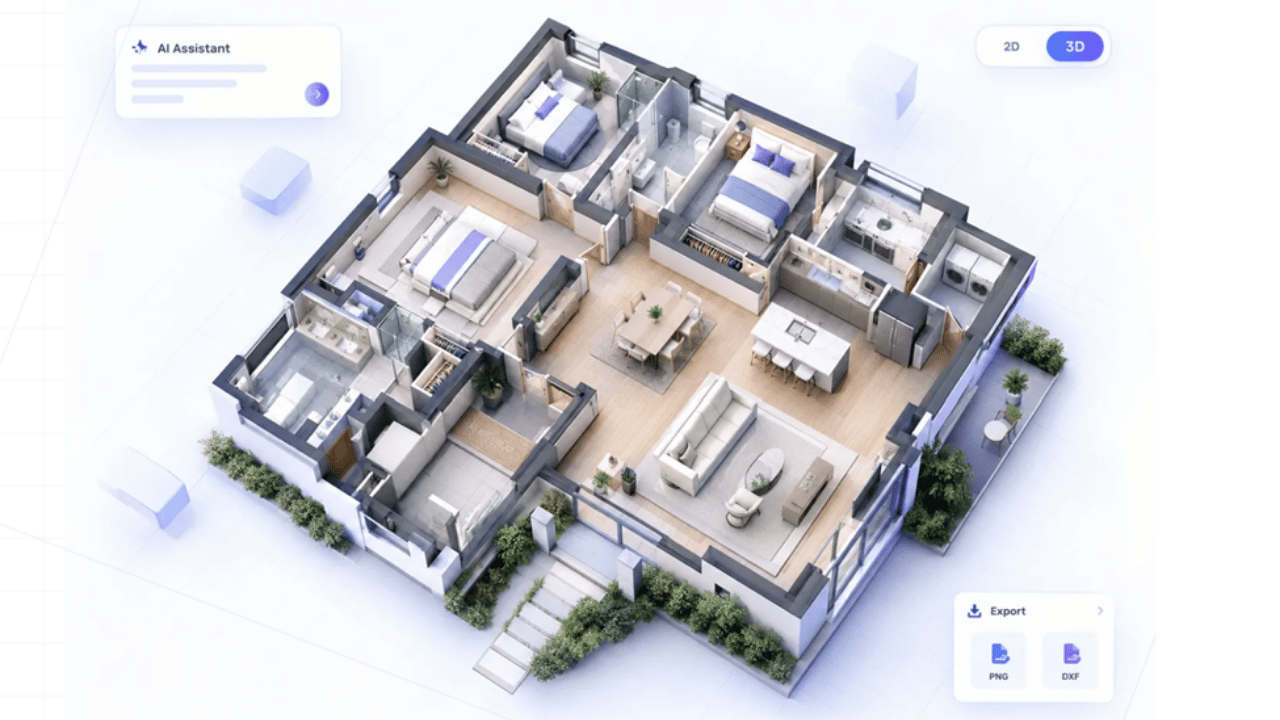
Usage caps. A capped number of projects, exports, or edits per month is common on free tiers, which can become a genuine constraint for anyone working on multiple properties or projects regularly rather than a single occasional task.
Commercial use restrictions. Some free tools explicitly limit usage to personal, non commercial purposes, meaning a real estate agent or design business intending to use the output professionally needs to check licensing terms carefully before relying on a free tier for client facing work.
Matching the Tool to the Actual Task
For a single personal project. Testing a proposed renovation layout for a personal home, without any commercial application, is often a strong fit for a free tool, since the limitations around usage caps and commercial licensing are unlikely to matter for this kind of one time, personal use.
For occasional small business use. A small real estate agency handling a modest number of listings might find that a free floor plan generator covers early stage needs, though usage caps or licensing restrictions may eventually push toward a paid plan as volume increases.
For frequent professional use. A design firm, larger real estate agency, or property developer producing plans regularly generally outgrows free tier limitations fairly quickly, making a paid plan more practical due to higher usage needs, better export quality, and clearer commercial licensing terms.
For high stakes client facing material. Projects where visual presentation quality directly affects a sale, a pitch, or a client relationship often benefit from the additional customization and higher quality export options typically reserved for paid tiers.
Questions Worth Asking Before Choosing
A few practical questions help clarify which type of tool actually fits a specific situation. Is this a one time need or an ongoing, recurring task. Will the output be used personally, or will it be shared professionally or commercially. Does the project involve standard room shapes, or does it include unusual architectural features that might need more advanced editing capability. How important is export quality and file format compatibility for the intended final use of the plan.
Answering these questions honestly before selecting a tool tends to prevent the common frustration of investing time into a free option only to discover partway through a project that a usage limit or licensing restriction makes it unsuitable for the intended purpose.
A Balanced Way to Think About Free Versus Paid
Rather than viewing free tools as simply a lesser version of paid ones, it helps to think of them as suited to a different scope of use. A free 3d floor plan tool is well matched to personal projects, early stage exploration, and occasional individual use, where the limitations rarely become a practical problem. A paid tool becomes worthwhile once usage frequency, commercial requirements, or presentation quality expectations grow beyond what a free tier is designed to support.
This framing avoids the common trap of assuming a paid tool is automatically necessary for any serious use, when in practice many individuals and even some small businesses can rely entirely on free options depending on their actual volume and presentation needs.
Final Thoughts
Choosing between a free floor plan generator and a paid alternative comes down to matching the tool’s actual limitations against the real requirements of a specific project, rather than assuming one option is universally better than the other. A 3d floor plan free tool offers a genuinely useful starting point for personal projects and occasional use, while growing needs around volume, customization, or commercial licensing tend to be the actual signals that a paid option has become worth considering. Approaching the decision this way leads to a more practical outcome than treating free and paid tools as simply different tiers of the same experience.
