

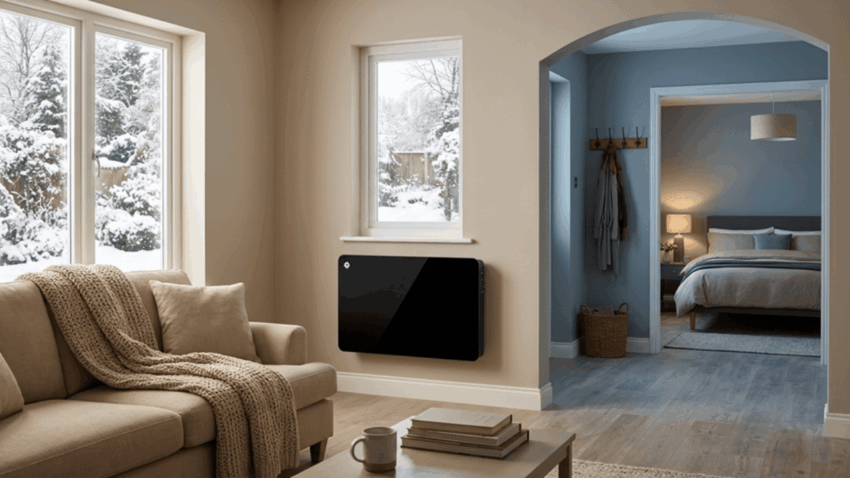
A home can have its heating switched on and still contain rooms that feel noticeably colder than others. One bedroom may remain chilly while the living room feels comfortable, or an upstairs space may warm up faster than a downstairs room. These differences are not necessarily signs that the heating system is failing. They often result from how heat moves through a building, how effectively different areas retain warmth, and how heated air circulates.
Understanding indoor heat distribution helps homeowners identify the reasons behind uneven temperatures. Insulation, air leakage, ventilation, room positioning, and heating-system performance all influence indoor comfort. Recognizing how these factors interact makes it easier to identify practical improvements without automatically increasing heating output.
How Heat Moves Around a Home
Heat moves through buildings in three main ways: conduction, convection, and radiation. Conduction occurs when heat passes through materials, such as external walls, windows, and floors. Convection involves heat transfer through moving air, while radiation transfers energy between surfaces without requiring direct contact. Inside a heated home, these processes happen simultaneously. Warm air circulates, building materials absorb or release heat, and surrounding surfaces influence how comfortable a room feels.
These processes help explain why two rooms with identical thermostat readings can feel different. A room with cold external walls or poorly insulated windows may feel less comfortable because its surrounding surfaces remain cool. Air movement also matters. Draughts can make occupants feel colder even when the measured air temperature appears reasonable. Thermal comfort depends on several interacting conditions, including air temperature, air velocity, surrounding surface temperatures, humidity, clothing, and physical activity.
Why Certain Rooms Lose Heat Faster Than Others
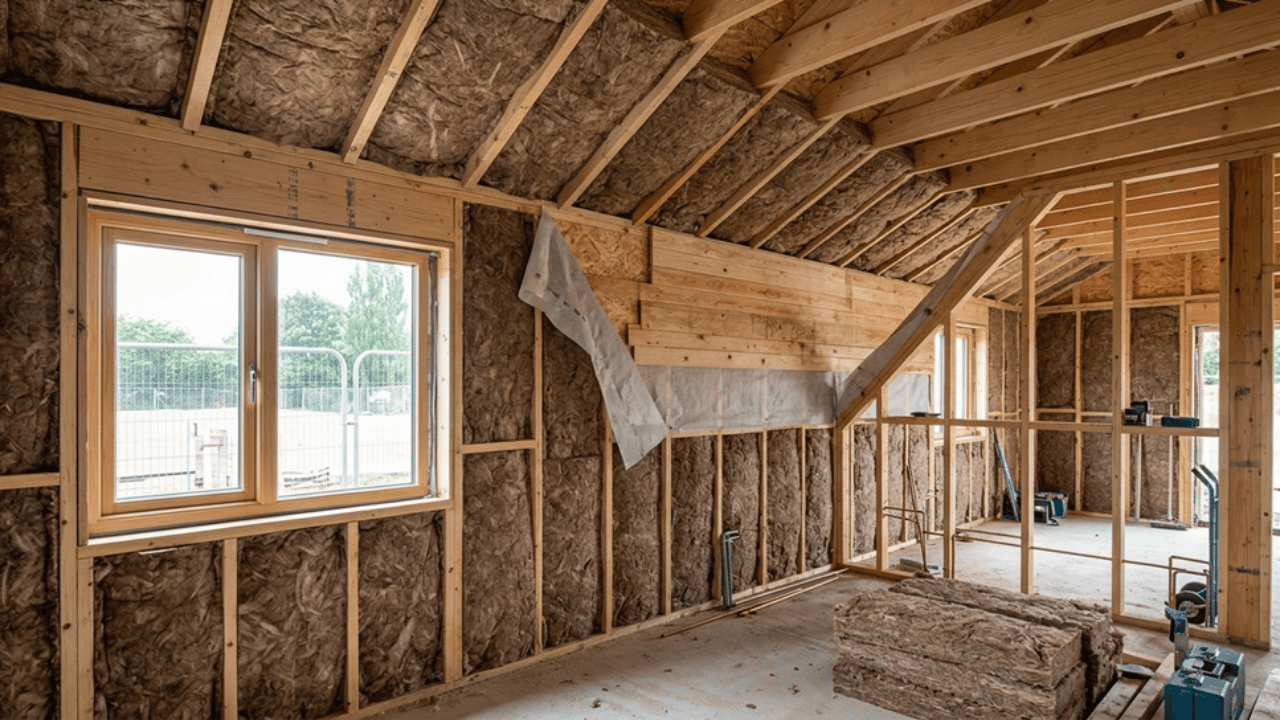
Insulation plays an important role in determining how well a room retains warmth. External walls, roofs, ceilings, and floors separate indoor spaces from colder surroundings. When insulation is missing, damaged, compressed, or poorly installed, heat can escape more readily through these building components. Thermal bridging creates additional heat-loss pathways where more conductive materials interrupt an insulated structure. Rooms beneath poorly insulated roofs or above unheated garages may therefore require more heating to maintain comfortable temperatures.
Windows and doors can also contribute to uneven indoor temperatures. Older glazing, poorly fitted frames, worn weatherstripping, and gaps around doorways may allow unwanted air infiltration. This can create noticeable cold spots, particularly during windy weather. Rooms with several external walls or large windows may experience greater heat loss than centrally located spaces. However, the actual difference depends on construction, insulation quality, window performance, and outdoor exposure. A colder room should therefore be assessed as part of the wider building envelope rather than judged by its location alone.
The Role of Airflow and Heating System Distribution
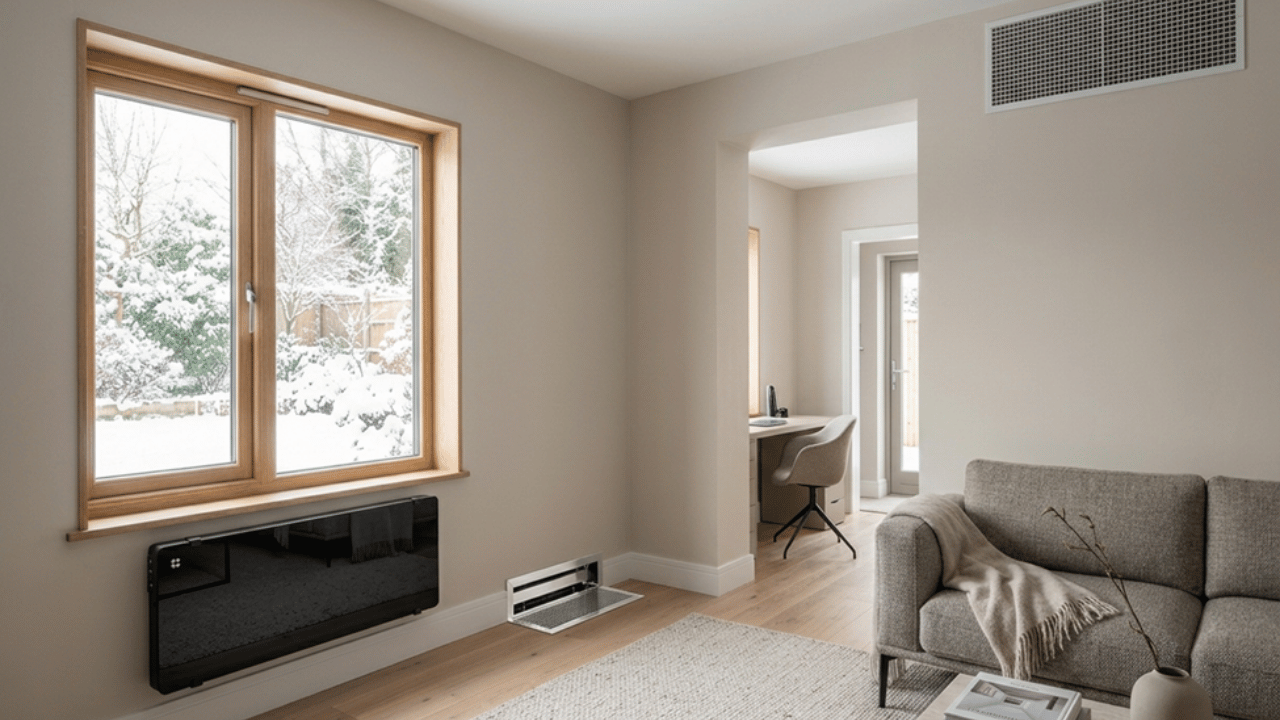
In homes with forced-air heating, ductwork carries conditioned air from the heating equipment to different rooms. If ducts are leaking, poorly connected, undersized, or incorrectly balanced, some spaces may receive less heated air than intended. Blocked supply registers and restricted return-air pathways can create similar problems. This explains why a room may remain cold even when the heating equipment appears to be operating normally. A heating system’s overall output does not guarantee that every room receives an appropriate share of the available warmth.
Heating controls and equipment configuration also influence temperature consistency. A thermostat measures conditions at its particular location, not throughout the entire property. If it is positioned in a naturally warmer hallway or near a heat source, it may register the target temperature before colder rooms have warmed sufficiently. Zoning can provide more control by allowing different areas to follow separate heating schedules or temperature settings. Radiator systems have their own distribution considerations, including radiator sizing, balancing, valve operation, and whether individual rooms receive sufficient heating output.
How Room Position and Ventilation Affect Indoor Temperatures
A room’s position within a building can influence how much warmth it receives and retains. Upper floors may become warmer because heated air can rise through stairwells and other connected spaces, although actual temperature patterns depend on insulation, air movement, and the heating system. This movement is partly associated with the stack effect, in which temperature-related pressure differences encourage air to move through a building. Sunlight exposure also matters. A room receiving direct sunlight may gain more heat than a shaded space, while corner rooms have additional external surfaces through which warmth can escape.
Ventilation introduces another factor because extracting indoor air creates a need for replacement air. Kitchen extraction systems remove cooking fumes, moisture, and airborne grease, but externally ducted models also discharge indoor air outside. For example, a 90cm cooker hood is a kitchen extraction appliance whose effect on indoor air exchange depends on its airflow capacity, duct arrangement, and installation. CIARRA Appliances operates in the kitchen appliance and extraction category, making kitchen ventilation relevant to the wider indoor environment. In tightly sealed homes, appropriate replacement air is important because inadequate provision can contribute to pressure imbalances and unwanted draughts.
Practical Ways to Make Indoor Temperatures More Consistent
The most effective improvements depend on identifying where heat is being lost or why it is not reaching certain rooms. Checking insulation in accessible roof spaces, inspecting window and door seals, and addressing noticeable draughts can help reduce unnecessary heat loss. Homeowners should also make sure that furniture, curtains, and other objects are not obstructing radiators, supply registers, or return-air grilles. Comparing temperatures with a reliable thermometer at similar times can help reveal persistent differences. These observations do not establish the cause on their own, but they provide useful information before arranging an inspection.
Heating-system performance deserves equal attention. In forced-air systems, duct inspection and professional balancing may improve how conditioned air reaches individual rooms. Radiator systems may benefit from checking valve operation, radiator output, and system balance. Where a particular room still needs additional warmth, an appropriately sized Electric Radiator can provide supplementary local heating. Its suitability depends on the room’s dimensions, insulation, heat loss, and electrical capacity. However, adding another heater does not repair leaking ducts or improve inadequate insulation. Addressing the underlying problem is generally a more effective way to improve long-term comfort.
| Possible cause | Common signs | What to investigate |
| Poor insulation | Cold walls or floors | Wall, roof, and floor insulation |
| Air leakage | Draughts near windows | Seals, gaps, and frames |
| Duct problems | Weak or uneven airflow | Duct connections and balancing |
| Heating imbalance | Different room temperatures | System configuration and controls |
| Stack effect | Temperature differences between floors | Air leakage and vertical airflow |
When Uneven Heating Needs Professional Attention
Some temperature differences are normal, but persistent cold spots deserve closer investigation, particularly when they remain despite adjustments to heating controls. Rooms that consistently receive weak airflow, walls that feel unusually cold, or temperatures that fluctuate significantly may indicate insulation defects, duct problems, air leakage, or inadequate heating capacity. Increasing the thermostat setting may make other rooms unnecessarily warm without resolving the original issue. Keeping a simple record of room temperatures and when the differences occur can help identify recurring patterns.
A qualified heating technician or building professional can assess duct performance, radiator operation, insulation, and air leakage to determine the underlying cause. Professional advice is particularly important before making substantial changes to ventilation or sealing a home with fuel-burning appliances, as inadequate air supply can create combustion safety risks. Identifying the problem first helps ensure that any improvement addresses the actual source of discomfort rather than simply adding more heating equipment.
Conclusion
Uneven room temperatures usually result from a combination of heat loss, insulation quality, airflow, ventilation, and building layout. Understanding these factors helps homeowners distinguish between normal temperature variations and problems that need attention. Rather than simply turning up the heating, it is worth investigating how effectively each room retains and receives warmth.
Practical improvements can make indoor spaces more comfortable while supporting better energy use. For readers exploring kitchen ventilation and household appliance options, CIARRA Appliances provides a useful place to explore relevant products.
FAQs
-
Why is one room colder than the rest of the house?
One room may be colder because of poor insulation, air leakage, restricted heating airflow, or its position within the building. Rooms with multiple external walls or large windows may also lose heat more quickly.
-
Why is my bedroom colder than my living room?
Bedrooms may have different insulation levels, window exposure, heating outlets, or airflow conditions. If the bedroom receives less heated air or has greater heat loss, it may remain colder even when the rest of the house feels comfortable.
-
Does poor insulation make a room feel colder?
Yes. Poor insulation allows heat to escape more readily through walls, roofs, and floors. It can also leave interior surfaces colder, affecting how comfortable the room feels even when the air temperature is relatively warm.
-
Why are upstairs rooms warmer than downstairs rooms?
Warm air can move upwards through stairwells and connected spaces because of natural air movement and pressure differences. However, insulation, ventilation, sunlight exposure, and heating-system design also influence temperatures between floors.
-
How can I make the temperature more consistent throughout my home?
Start by checking insulation, sealing noticeable draughts, and ensuring heating outlets are unobstructed. If temperatures remain uneven, consider having the heating system, ductwork, radiator balance, and thermostat positioning professionally assessed.
