

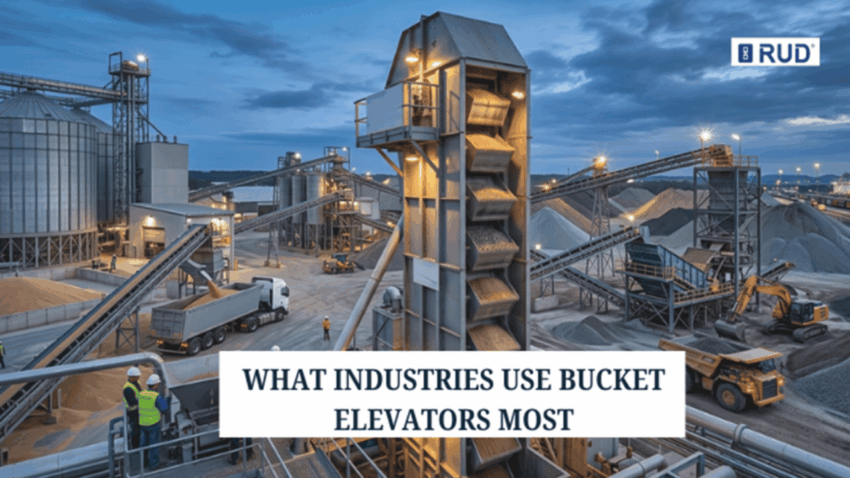
Manufacturers mostly use bucket elevators in mining, agriculture, food processing, and bulk material handling industries. These facilities rely on bucket elevators because they can transport heavy materials continuously and within a relatively compact footprint.
Our team at RUD Engineering works across Queensland sites, and bucket elevators come up in almost every material handling conversation. These components help to move large volumes upward in a compact space without the spillage issues you’d get from an open conveyor.
In this article, you’ll learn which industries rely on bucket elevator systems most, why they suit heavy-duty applications, and how they compare to other equipment. Read on to find out if one suits your operation.
Industries That Rely on Bucket Elevator Systems
Bucket elevator systems appear across a wide range of industrial workflows, particularly where cargo needs to move between different stages of production. While the application varies from one sector to another, the goal remains the same: moving large volumes of material efficiently and reliably.
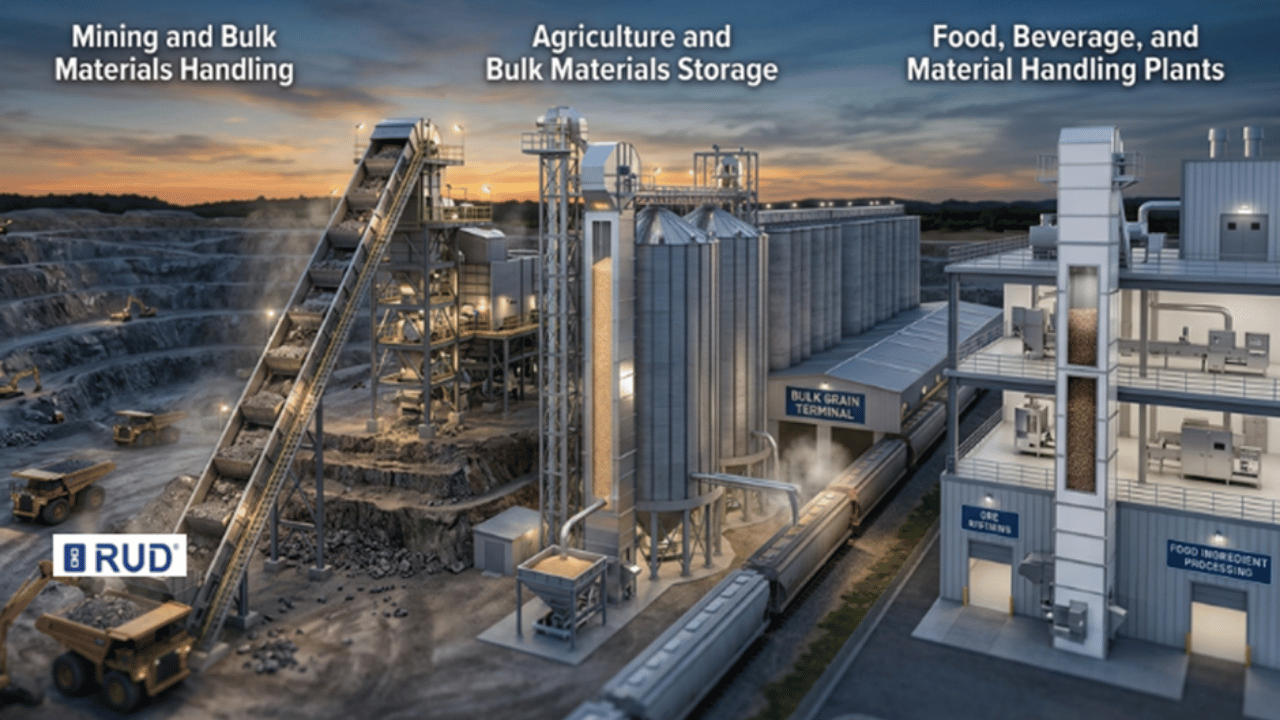
The industries below show just how wide the application really is.
Mining and Bulk Materials Handling
Mining ranks among the heaviest users of bucket elevator units in Australia. This industry needs to move ore, coal, and crushed rock vertically through tight site layouts. And horizontal belt conveyors often can’t cover that job reliably.
But bucket elevators move these heavy bulk loads upward through confined spaces where other machinery simply won’t fit (that’s not a minor operation on a busy mine site).
Beyond material processing, underground and open-cut environments put enormous wear on machinery, so durability is mandatory here. So, mining companies often favour equipment like bucket elevators as they can withstand abrasive materials, heavy loads, and demanding operating conditions.
Agriculture and Bulk Materials Storage
Grain handling relies heavily on bucket elevators to shift large volumes from ground level into silos and storage facilities. So a well-sized bucket elevator keeps the process moving without product damage.
Storage facilities also use these setups to manage heavy loads across different levels of a facility. Plus, bucket elevators’ enclosed design minimises dust and contamination, which is a genuine requirement in the agricultural industry.
Food, Beverage, and Material Handling Plants
Generally, food and beverage manufacturers prioritise hygiene alongside production output. Equipment in these facilities must support strict processing requirements while moving ingredients through different stages of the process.
Bucket elevators help meet those requirements by transporting powders, grains, plastic pellets, and other bulk materials.
In practice, the bucket elevator uses an enclosed setup (similar to the agriculture industry) to protect ingredients from external contaminants. This design supports hygiene requirements and helps maintain product quality during handling.
From our experience, food manufacturers rarely assess product handling units on capacity alone. Compliance requirements, cleaning procedures, and food-grade operating standards also influence which systems make it onto the production floor. And the bucket elevator takes all of these into account.
What Makes Bucket Elevators Suitable for Heavy Loads
Bucket elevators handle heavy loads well because their sealed structure contains and controls material movement under pressure. But to understand why they hold up so well, it helps to know what they’re actually made of.
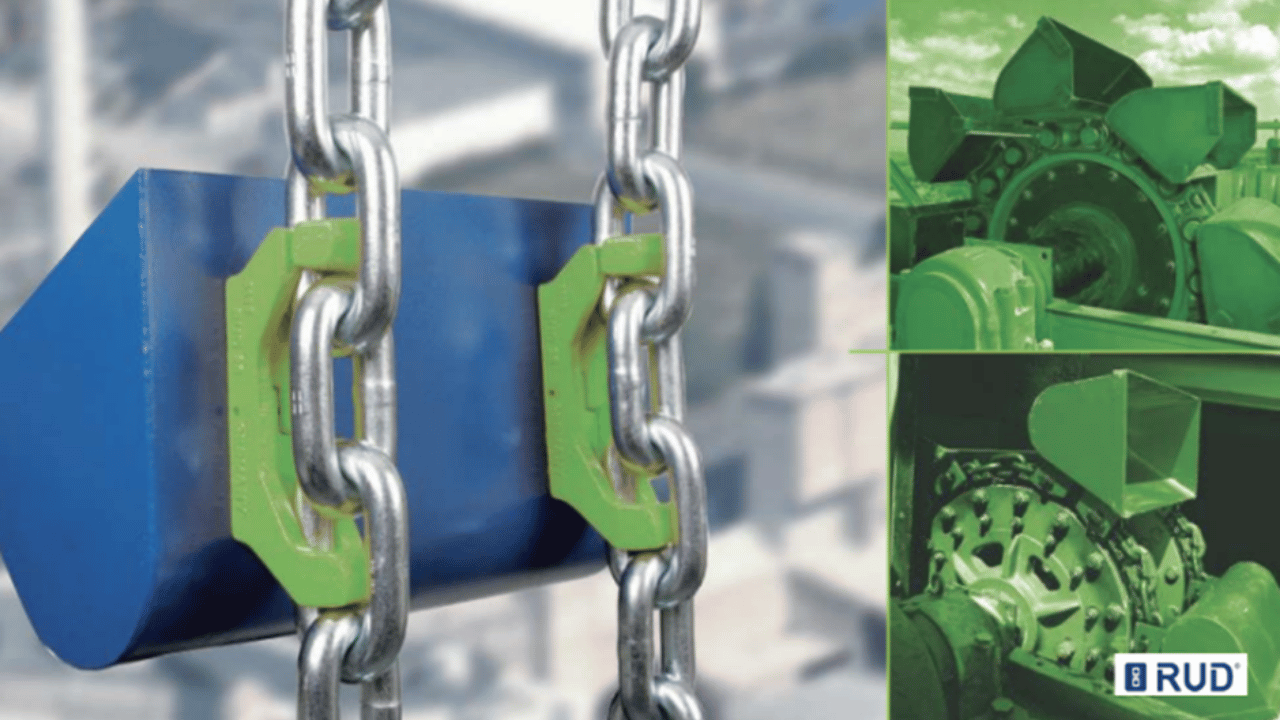
A standard bucket elevator typically consists of:
- Reinforced belt or chain
- Multiple steel buckets
- The drive unit sits at the top
In practical terms, each bucket scoops material at the base, carries it upward, and discharges it at the top.
These components operate inside an elevated casing that surrounds the moving material throughout the lifting process. As the system remains enclosed, it reduces spillage and product loss that can lower operating costs over time.
Steel and engineering-grade plastic buckets are common in demanding industrial environments because they can withstand high temperatures, heavy loads, and continuous operation. In particular, steel buckets perform well in applications where abrasion and impact are part of daily workflows.
That durability supports more than equipment longevity. It also contributes to workplace safety, as a failed bucket on an active production line interrupts site works and creates hazards for nearby workers.
Bucket Elevator Design: Built for Operational Efficiency
Good bucket elevator design starts with understanding the material, the space, and the load requirements of the site. And those factors influence everything from bucket size and elevator height to throughput capacity and component selection.
Here’s what a well-configured bucket elevator setup accounts for:
- Adjustable Bucket: If a material requires a specific handling approach, engineers can modify the bucket configuration to suit. Bucket size, spacing, and operating speed are all adjustable to support different products and operating conditions.
- Custom Configuration: Site layouts rarely follow a standard design in Australia. As a result, material processing equipment often needs to work around existing operational constraints. In these situations, a custom-built elevator can fit the available space without sacrificing throughput or worker safety.
- Scheduled Maintenance: Keeping a bucket elevator in good shape requires consistency. Otherwise, workflow efficiency drops and system life shortens, and repair costs start climbing steadily.
When those factors come together, a well-designed unit can support consistent throughput, reduce maintenance demands, and deliver reliable performance over the long term.
Vertical Conveyor Systems vs. Belt Conveyors: What’s the Difference?
Many facilities choose among bucket elevators, belt conveyors, screw conveyors, and other material handling systems when designing a production line. However, the right option depends on how the material moves through the process and the conditions on the site.
Let’s have a look at the areas where vertical conveyors consistently outperform other moving units.
How Vertical Conveyors Save Available Space
Vertical conveyors save available space by moving bulk materials straight up rather than across the floor. By contrast, inclined belt conveyors need a long run of horizontal space to gain height, which isn’t always available in a busy plant or storage facility.
Bucket elevators also work within a compact footprint, which makes them a far more practical solution than pneumatic conveyor systems in tight spaces. Facilities with bins, silos, and multi-level storage benefit most from this upward approach, as the setup goes up rather than out.
Reducing Costs Through Reliable Bulk Materials Handling
Enclosed bucket elevators reduce material waste and spillage, which can lower operating costs over time. Maintenance and downtime also play a major role in overall expenditure. In our experience, unplanned system outages are where heavy product processing budgets take the hit.
Reliable equipment minimises those stoppages and keeps maintenance costs under control in the long run. And that consistency is what keeps operations across textiles, electronics, metals, and plastics industries running to schedule.
Ready to See What Bucket Elevators Can Do for Your Operation?
Bucket elevators are an important part of material handling across mining, agriculture, food processing, and manufacturing. And the industries that use them consistently point to the same benefits: reliable elevated transport, lower spillage, and long system life.
Choosing the right setup depends on your material type, available space, and output needs. Once you get those three things right, a bucket elevator will serve your workflows well for years.
RUD Australia designs and supplies bucket elevator systems for upward transportation of cargo, including cement, sand, gravel, fertiliser, and potash. If your site moves bulk materials and you need a reliable vertical conveyor solution, reach out to us to find the right fit.
