

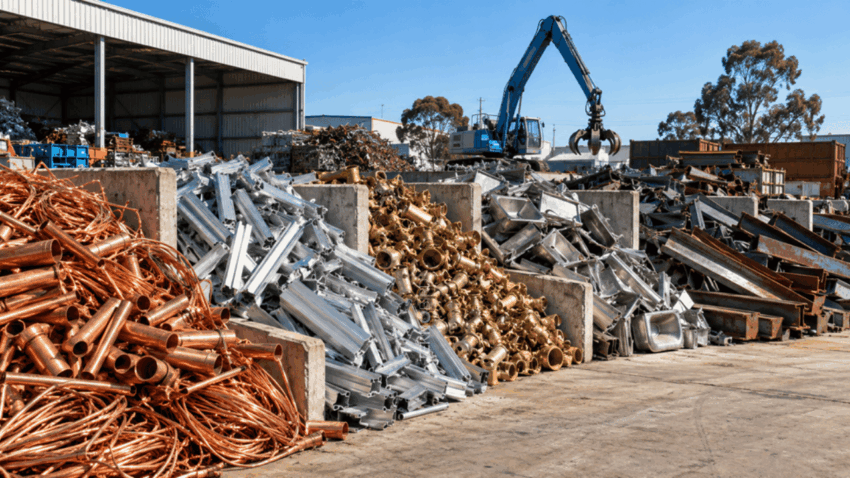
You have a pile of old metal, but what scrap metal can be recycled in Dandenong? It is not always obvious when the load contains different materials, household items or mixed offcuts. Taking everything to a recycler without sorting can make the assessment harder, while assuming every metal item belongs in the same disposal stream can create problems. The practical approach is to identify the scrap metal type, separate useful grades where possible, and confirm unusual items before drop-off. That makes the recycling process clearer and helps you understand how the load will be assessed.
What Scrap Metal Can Be Recycled In Dandenong?
Scrap metal recycled in Dandenong generally includes common ferrous and non-ferrous metals from homes, workshops, construction work and commercial sites. The important step is identifying the metal and separating different grades before assuming every item will be handled the same way.
Dandenong Scrap Metal Types
The main scrap metal types in Dandenong include copper, aluminium, brass, stainless steel, lead, steel and iron. Certain cables, electric motors, batteries and metal-containing equipment may also have recycling pathways, although unusual items should be confirmed before transport.
| Scrap metal type | Common examples | Practical preparation |
| Copper | Plumbing pipe, offcuts, wire, cable | Keep copper separate from steel and mixed metal |
| Aluminium | Extrusions, frames, sheet, castings, alloy wheels | Separate different aluminium loads where practical |
| Brass | Taps, valves, plumbing fittings | Remove obvious non-metal attachments if practical |
| Stainless steel | Sinks, benches, equipment, offcuts | Keep apart from ordinary steel where identifiable |
| Steel | Beams, sheet, pipes, machinery parts | Separate from higher-value non-ferrous metals |
| Iron | Cast components, machinery, heavy scrap | Keep accessible for weighing and handling |
| Lead | Flashing and suitable lead scrap | Confirm acceptance before transport |
| Electric motors | Workshop and equipment motors | Keep complete unless the recycler advises otherwise |
| Cable | Insulated and clean metal cable | Separate copper-rich cable from general mixed scrap |
| Lead-acid batteries | Certain car and truck batteries | Confirm the recycler accepts the battery type |
The distinction between ferrous and non-ferrous scrap metal is useful when sorting. Ferrous metals such as common steel and iron contain significant iron content, while non-ferrous metals include copper, aluminium, brass and lead.
Non-ferrous scrap often deserves extra attention because mixing it into general steel can make the load harder to classify. A basic sorting area with separate containers for copper, aluminium, brass and general steel can make a household or workshop load much easier to present.
People searching for Cash for scrap metal Dandenong should start by identifying what is actually in the load rather than estimating its value from total weight alone. Scrap metal type and grade can change how the material is assessed even when two loads weigh exactly the same.
Copper Scrap Recycled in Dandenong
Copper scrap recycled in Dandenong can come from plumbing work, electrical projects, renovations, machinery and construction offcuts. Copper pipe, clean offcuts and different types of cable should be kept separate from steel or heavily mixed material where practical.
Copper is particularly easy to undervalue when it is buried inside a mixed load. If a container holds copper pipe, aluminium pieces, steel brackets and general rubbish together, the recycler has more material to classify and separate before the load can be assessed.
Do not assume that every piece containing copper belongs to the same copper grade. Clean copper, insulated cable and mixed components are different materials, so the recycler may classify them differently after inspection.
Aluminium Scrap Recycled in Dandenong
Aluminium scrap recycled in Dandenong commonly comes from window frames, extrusions, sheet material, cast parts, wheels and fabrication offcuts. Aluminium is lightweight compared with steel, so a visually large pile may weigh less than a seller expects.
A recent Australian Reddit discussion about aluminium offcuts showed the practical problem clearly. The useful lesson was not the reported price, which was one individual’s transaction, but the advice to separate the extrusion grade and ask the recycler for the current rate before loading everything for transport.
That approach is more reliable for aluminium scrap recycling than copying an old online dollar-per-kilogram figure. Market conditions, grade and the individual recycler’s assessment can all change between one load and another.
Brass, Stainless Steel and Lead Scrap
Brass scrap recycled in Dandenong can include plumbing taps, valves and fittings, while stainless steel may come from kitchen, hospitality, fabrication or industrial equipment. Lead is another recyclable metal, but acceptance of particular lead items should be checked before travelling.
These metals should not automatically be thrown into the same container as general steel. Even when an item looks similar in colour or shape, its metal composition can affect how the recycler identifies and weighs it.
For household clean-outs, sorting obvious brass plumbing pieces and stainless-steel items before loading can reduce confusion. For commercial loads, keeping metal streams separate as they are generated is usually easier than sorting a large mixed pile later.
What Scrap Metal Can Be Recycled In Dandenong? Value
The value of scrap metal recycled in Dandenong is not determined by weight alone. Metal type, grade, contamination, separation and current buying conditions all affect how a recycler assesses a load, which explains why seller expectations can differ sharply from the final result.
Scrap Metal Value Factors
A strong theme in real scrap-metal discussions is disappointment after receiving less money than expected. The more useful response is to understand the scrap metal value factors before arriving rather than assuming a large-looking pile must produce a large payment.
| Value factor | Why it matters | Practical response |
| Metal type | Copper, aluminium, steel and brass are not valued the same way | Identify the main metals before drop-off |
| Grade | Different forms of the same metal may be assessed separately | Keep clearly different grades apart |
| Weight | Payment depends partly on how much recyclable material is present | Avoid estimating value by pile size |
| Contamination | Plastic, timber, rubber or rubbish can complicate processing | Remove obvious loose contamination where practical |
| Mixed loads | Valuable metals can become harder to identify inside general scrap | Sort major metal categories before loading |
| Processing required | Extra stripping or separation may change classification | Ask whether extra preparation is worthwhile |
| Current rate | Scrap buying conditions can change | Request the current rate for the specific grade |
One highly engaged Reddit response to a disappointed seller pointed out that a relatively small load of low-value material was unlikely to produce a large return. That principle transfers well to Dandenong scrap metal recycling, even though the original discussion took place outside Australia.
The mistake is expecting all kilograms of scrap to have equal value. Thirty kilograms of mixed low-value material is not equivalent to thirty kilograms of a clean higher-value metal grade, so weight should always be considered together with composition.
Sort Scrap Metal Before Drop-Off
Sorting scrap metal in Dandenong can make the load easier to inspect and can prevent useful non-ferrous material from disappearing into general mixed scrap. Start with obvious categories rather than trying to dismantle every object into tiny components.
Separate copper, aluminium, brass, stainless steel and general steel when you can identify them confidently. Keep loose rubbish, timber, fabric and large amounts of plastic out of the metal pile where practical so the recyclable material remains easy to assess.
This does not mean every wire, motor or appliance should be stripped by hand. The time required to dismantle an item may exceed any difference in return, so preparation should be sensible rather than automatic.
Copper Scrap and Current Rates
Copper scrap in Dandenong is one area where old online price examples can cause unrealistic expectations. Reddit discussions often share exact figures, but those numbers belong to a particular yard, country, date and grade and should not be treated as today’s local rate.
For a copper-heavy load, checking a service offering cash for copper Dandenong before transport gives you a chance to ask how the specific material is classified. Describe whether you have pipe, offcuts, clean copper or insulated cable rather than simply saying you have “some copper.”
That grade-specific question is far more useful than asking for a generic scrap price. Copper scrap value depends on what the material actually is, not only on the fact that copper is present somewhere in the load.
Small Scrap Metal Loads
A common scrap metal recycling problem is spending time and fuel transporting a very small mixed load while expecting a substantial payment. Real-user discussions show that this expectation gap is one of the most frequent causes of dissatisfaction.
Before making a special trip, look at the load’s likely metal composition and total quantity. A small quantity of general steel may have a very different outcome from a smaller but cleaner non-ferrous load.
Recycling can still make sense even when the payment is modest because metal is being kept in a recovery stream instead of general waste. The financial return and the recycling benefit are related, but they are not the same thing.
What Scrap Metal Can Be Recycled In Dandenong? Process
The scrap metal recycling process in Dandenong starts before you reach the yard. Identifying the material, separating obvious grades, confirming unusual items and understanding how weighing works can prevent delays and reduce confusion about the final assessment.
Dandenong Scrap Metal Drop-Off Process
The basic Dandenong scrap metal process usually involves presenting the load, allowing the recycler to inspect the material, weighing the accepted scrap and classifying the individual metal grades. Large or mixed commercial loads may require a different handling arrangement from a small household load.
A recycler needs to know what material is actually being purchased. That is why a neatly separated load can be easier to inspect than a trailer containing steel, copper, old appliances, timber and general rubbish all mixed together.
If you have an unusual item, call before loading it. Refrigerant equipment, batteries, tanks, cylinders and heavily contaminated items can have special handling requirements that differ from ordinary metal offcuts.
Scrap Metal Weighing and Assessment
Scrap metal in Dandenong is assessed by actual weight rather than visual size. This matters because aluminium can occupy a large volume while remaining comparatively light, while dense metal components may weigh far more than they appear to.
Different metal grades may be weighed or classified separately when the load contains more than one material. That makes the sorting work you do before arrival useful because the recycler can see where one metal category ends and another begins.
Do not rely on a household estimate to predict the exact payout. The recycler’s scales, material classification and current buying rate determine the final assessment.
Scrap Metal From Homes and Workshops
Household scrap metal in Dandenong can come from renovations, garages, sheds, old plumbing work and replaced fixtures. Workshop loads may contain more consistent offcuts, which can make ongoing separation easier if dedicated bins are used for different metals.
A homeowner might collect brass taps, copper pipe, aluminium frames and steel shelving during one renovation. Keeping those materials in separate areas from the start is easier than trying to identify everything after it has been dumped into one trailer.
Businesses generating regular scrap metal offcuts can apply the same principle at a larger scale. A simple collection system for aluminium, copper and general steel can reduce re-sorting later and make each pickup or drop-off easier to understand.
Scrap Metal Items That Need Confirmation
Some scrap metal items in Dandenong should be confirmed before transport because the metal is only one part of the disposal issue. Refrigeration equipment, batteries and certain enclosed or hazardous containers can involve safety or environmental handling requirements.
Do not assume that an item is automatically accepted because most of its body is metal. A fridge contains metal, but it also contains refrigerant components; a battery contains recyclable material, but it belongs in a specialised recovery stream.
The safest rule for unusual Dandenong scrap metal is simple: identify the item, describe it accurately and confirm acceptance before taking it to the recycler. That saves an unnecessary trip and prevents the wrong material entering a general scrap load.
FAQs About Scrap Metal Recycled in Dandenong
Can Scrap Metal Be Recycled in Dandenong’s Yellow Bin?
General scrap metal recycled in Dandenong should not automatically be treated like normal household packaging. Greater Dandenong’s yellow recycling stream is intended for accepted household recyclables such as suitable aluminium and steel containers, rather than arbitrary metal objects, machinery parts or large scrap. Use an appropriate scrap recycler, transfer option or eligible council service for general metal items instead of putting them into the yellow bin without checking.
Can Scrap Metal Be Recycled Through Hard Waste?
Some scrap metal recycled in Dandenong can also be handled through Greater Dandenong’s hard-waste system when the item meets the council’s collection rules. Accepted categories can include general scrap metal and certain household metal items such as small car parts, appliances and hot-water systems. Council hard waste is different from selling scrap to a recycler, so check the current collection conditions before placing material out.
Can Car Batteries Be Recycled as Scrap Metal?
Certain lead-acid batteries have scrap metal recycling pathways in Dandenong, but battery disposal should be treated separately from general metal. Local scrap or battery recyclers may accept suitable car and truck batteries, while Greater Dandenong’s hard-waste service does not accept car batteries. Confirm the battery type with the recycler rather than leaving it inside a mixed scrap load.
Can Fridges Be Recycled as Scrap Metal in Dandenong?
Fridges contain recyclable scrap metal, but refrigerant makes them different from ordinary steel appliances. Sustainability Victoria guidance requires fridges and freezers to be degassed by an appropriately licensed technician, either before transport or through a facility that provides the correct handling. Confirm whether the Dandenong recycling destination manages refrigerant equipment before moving the fridge.
Do I Need ID to Sell Scrap Metal in Dandenong?
Victorian rules can require a dealer to record seller identity information when purchasing scrap metal in Dandenong, unless a specific exemption applies. Bringing suitable identification helps prevent delays when the recycler needs to meet its legal record-keeping obligations. The precise requirement depends on the transaction and the goods involved, so it is sensible to confirm identification requirements when arranging the drop-off.
Can a Dandenong Scrap Metal Yard Pay Cash?
Victorian law restricts cash transactions for goods legally treated as scrap metal, so a Dandenong dealer covered by those rules generally cannot simply hand over cash for the metal. Approved traceable payment methods such as electronic transfer or qualifying cheque arrangements are used instead. Some metal-containing goods can fall under exemptions, so the correct payment treatment depends on how the transaction is legally classified.
Can Insulated Cable Be Recycled as Scrap Metal?
Yes, insulated cable can have a scrap metal recycling pathway in Dandenong because the cable contains recoverable metal, often copper or aluminium. It should not automatically be treated as the same grade as clean bare metal because the insulation affects the material composition and processing required. Keep cable separate from general steel and ask how the recycler classifies that specific cable type.
Final Takeaway
So, What Scrap Metal Can Be Recycled In Dandenong? Common recyclable materials include copper, aluminium, brass, stainless steel, lead, steel and iron, with additional pathways for items such as cables, motors and certain batteries. Acceptance still depends on the recycler, material condition and any special handling requirements.
The best preparation is straightforward: identify the scrap metal, separate obvious grades, remove unnecessary contamination and confirm unusual items before travelling. Do not rely on an old online price, a foreign Reddit payout or the visual size of the load to estimate what it will be worth.
A well-sorted Dandenong scrap metal load is easier to assess and easier for the seller to understand. That gives you a clearer process from the first container in the shed to the final weighing at the recycler.
