

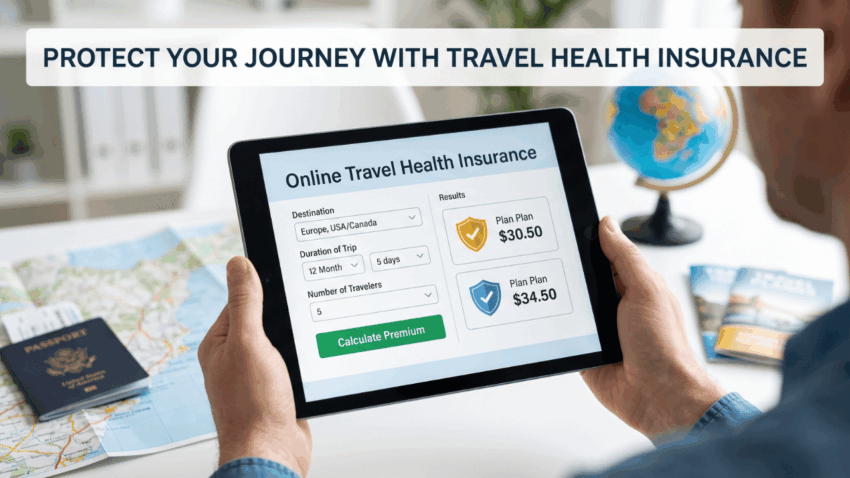
When planning a trip abroad, most people focus on flights, hotels, and the destination itself — travel health insurance often gets pushed to the back of the mind. Yet this is exactly the detail that can determine whether an emergency becomes a manageable inconvenience or a serious financial burden. Whether it’s a short trip within Europe, a business trip to the US, or a longer stay in Canada, traveling without the right insurance coverage can mean facing medical bills of tens of thousands of dollars in the event of illness or an accident.
Why Standard Health Insurance Often Isn’t Enough Abroad
Many travelers assume their regular health insurance automatically covers them abroad. That’s only partly true. Within the EU, EEA, and Switzerland, statutory health insurance (via the European Health Insurance Card, EHIC) does cover medically necessary treatment — but only at local rates, and repatriation back home is usually not included.
Outside Europe, the gaps are much bigger. In countries like the United States or Canada, standard health insurance typically provides little to no coverage at all. Since treatment costs — especially hospital stays — can be extremely high in these countries, a private travel health insurance policy becomes essentially indispensable. Before booking your next trip, it’s worth taking a moment to check your travel insurance premium so there are no surprises later.
What a Good Travel Health Insurance Policy Should Cover
When choosing a policy, it’s worth checking the details closely:
- Outpatient and inpatient treatment costs in case of illness or accident
- Prescription medication needed while abroad
- Repatriation/medical transport back to your home country when medically necessary
- Emergency dental treatment for acute pain
- Deductible — the lower it is, the higher the premium tends to be
Repatriation in particular is often underestimated, yet it’s one of the most expensive items in a worst-case scenario.
Short-Term or Long-Term Coverage — Which Fits Your Trip?
The right policy depends heavily on how long you’re traveling:
Short-term travel health insurance suits single trips — a two-week vacation in the US or a business trip to Canada. It’s usually purchased per trip or for a fixed period of a few weeks.
Long-term travel health insurance is needed for extended stays — a semester abroad, a work assignment, or a multi-month journey. Keep in mind that many policies cap coverage duration, often somewhere between eight weeks and a year, after which a different type of insurance is required.
Frequent travelers may benefit from an annual travel insurance policy, covering multiple trips per year instead of buying a new policy each time.
How Premiums Are Calculated
Several factors determine the cost of travel health insurance:
- Destination — plans covering the US or Canada tend to cost more due to high treatment costs there
- Trip duration — longer trips generally mean higher total premiums
- Age of the insured person — older travelers often pay somewhat more
- Individual vs. family plan — families often get better overall rates
- Scope of coverage — e.g. whether repatriation is included
Rather than comparing costs manually, an online calculator makes it easy to find a suitable, affordable plan in just a few steps. The travel health insurance calculator on nafzh.com lets you quickly and free of charge estimate realistic premiums for your trip, based on destination, duration, and personal details.
Conclusion
Travel health insurance isn’t an optional extra — for most trips outside the EU, it’s a necessary safeguard, and even within Europe it’s worth having to close the gaps left by standard health coverage. Taking a few minutes before departure to calculate premiums and compare coverage means traveling with far more peace of mind, and being financially protected if something goes wrong.
