
Imagine typing a few words about the mood you want. Within seconds, a complete musical composition appears. This is not science fiction. Text to music AI technology is making this possible right now. Creators around the world are using this powerful tool to generate music in ways that seemed impossible just a few years ago.
The music creation landscape is shifting rapidly. AI music generation is breaking down walls that once kept music production limited to trained professionals. Now, people without musical training or expensive studio equipment can create professional-quality tracks. This change is opening doors for independent artists, content creators, and businesses everywhere.
Artificial intelligence music creation represents a real change in how we think about making music. The technology is not just a novelty tool. It is reshaping entire creative workflows across studios, production companies, and individual creators’ home offices. What took hours or days to compose can now happen in minutes.
This article explores the real impact of this technology. We will look at how text to music AI works. We will see who is using it and why. We will talk about the challenges that come with this innovation. Most importantly, we will explain what this means for the future of creative work in America and beyond.
The rise of AI music generation is not a passing trend. It is a genuine shift in how we create, share, and experience music. Let us dive into this exciting revolution together.
Understanding Text to Music AI
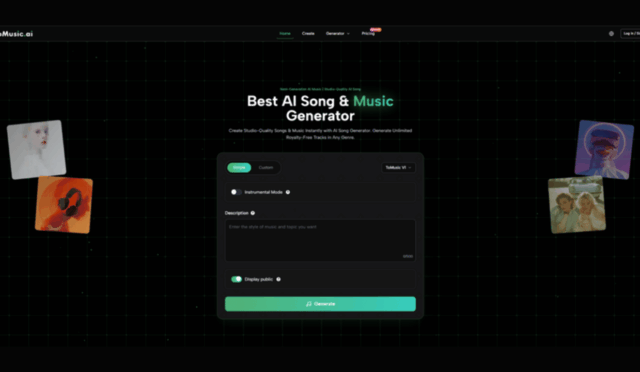
Text to music AI is software that makes music from written descriptions. It’s like telling a computer what song you want, and it creates it. This technology uses neural networks to turn your words into music.
It works by taking your description, like “upbeat electronic dance music,” and making the music. It’s like describing a picture to an artist who paints it. The AI analyzes your text and makes music based on what it learned.
Real platforms like Google’s MusicLM and Meta’s AudioCraft make this technology real. They offer high-quality music and customization options. Soundful and AIVA focus on specific music types. Mubert combines AI with community features for musicians.
These tools are based on machine learning and AI music models. They learn from vast musical datasets. When you input your text, they create music that matches your vision. Knowing how it works helps you use it in your projects.
Breaking Down Barriers in Music Creation
Music creation used to be hard to get into. You needed expensive gear, years of practice, or a lot of money for professionals. But now, text to music AI is changing everything. These AI tools make music creation open to everyone, giving you the power to compose without needing to read music or play an instrument.
Imagine you’re a teacher who wants music for your classroom. With text to music AI, you can just describe what you need. It makes professional-sounding music in minutes. Even a novelist can create music for their book’s trailer without spending a lot.
Speed is key when you’re under tight deadlines. Traditional music making takes weeks or months. But AI tools can make tracks in minutes. This lets content creators try different sounds quickly, finding the perfect one without waiting days.
Music creation doesn’t have to be expensive anymore. Professional composers charge a lot, and software and instruments are pricey. But text to music AI offers free or cheap options. This means small businesses and individuals can get high-quality music without spending a fortune.
How Musicians and Producers Are Integrating AI into Their Workflows
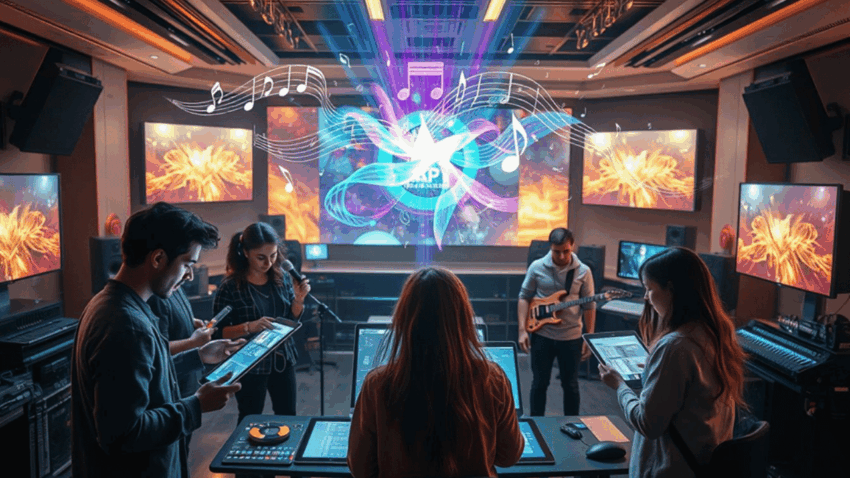
Creative professionals see text to music ai as a great brainstorming tool, not a replacement for human talent. Musicians use it when they hit a creative wall or need new ideas. They get many compositions from different text prompts.
These AI-generated songs are just the beginning. Musicians then refine and develop them. They explore new musical paths they might not have tried before.
Music production ai is changing how producers work. Many use AI to do repetitive tasks like making theme variations or background layers. This lets them focus on the creative parts of their job.
A producer might use text to music ai to create a basic track. Then, they add live instruments, adjust the arrangement, and add personal touches. This shows their unique style.
Grimes has talked about using AI music tools in her work. She sees them as helpful, not a replacement. Electronic music producers also use AI to speed up their work without losing their artistic touch. They see AI as a new tool that helps, not hinders, their creativity.
The Impact on Content Creators and Marketing Teams
Content creators always struggle to find the right background music. They need something that fits the mood of their videos, podcasts, and social media. Text to music AI helps by creating custom soundtracks easily, without the need for musicians or complex licensing.
Travel vloggers can now make upbeat tracks for their adventures. Meditation app developers can create calming music for relaxation sessions. Gaming streamers can make energetic intro music that reflects their channel’s vibe. These tools save time and money, letting creators focus on quality.
Marketing teams also benefit from these tools. A sustainable fashion brand can make music that fits their earthy vibe. A tech startup can create futuristic music for product launches. These tools help test different sounds for ads, saving on production costs.
Licensing is another big plus. Royalty-free AI music comes with clear rights for commercial use. This means no copyright issues and no expensive fees. Creators can relax knowing their music is safe and legal.
Challenges and Ethical Considerations in AI Music Generation
The rise of text to music ai technology raises important concerns. These tools open up new creative possibilities but also pose questions about ownership, fairness, and the music industry’s future. It’s crucial to understand these challenges to use AI music responsibly.
Copyright issues are a big concern. Who owns a song created with text to music ai? Is it the person who wrote the prompt, the AI company, or someone else? The answer is unclear. AI music might draw from existing songs, raising questions about ownership and compensation for artists.
Professional musicians worry about losing their jobs. They fear AI could reduce opportunities for composers and session musicians. This fear is valid. New technologies have always changed jobs, but they also create new ones. We need to support musicians during this change and embrace innovation that expands the market.
Quality and authenticity are key. AI music sometimes lacks the emotional depth and human touch that makes music special. While AI is great for background music, human musicians are still unmatched for emotional scores.
AI music ethics demand honesty. We should tell listeners when music is artificially generated. Being transparent builds trust and respects our audience. By addressing these challenges, we can shape AI music technology for the better.
Conclusion
Text to music AI is changing how we make music today. We’ve seen how AI music technology works and how it helps creators of all levels. It makes music creation faster, more accessible, and open to everyone.
We’re just starting this journey with text to music AI. As developers improve the technology, we’ll see even more possibilities. Musicians and creators are finding new ways to use these tools. They save time and money while keeping quality high.
But we also need to think about the ethics of this technology. We must ensure fair pay for artists, protect copyrights, and keep human creativity alive. This is a key part of our conversation.
AI music technology is not about replacing humans. It’s about working together to create something new. Humans bring emotion and vision, while AI handles the technical parts. This partnership opens up new possibilities.
Now is the time to try out text to music AI for yourself. Experiment with different platforms and see how they fit into your creative process. Stay updated on the latest in this field. Let’s discuss how to use these tools responsibly and fairly.