

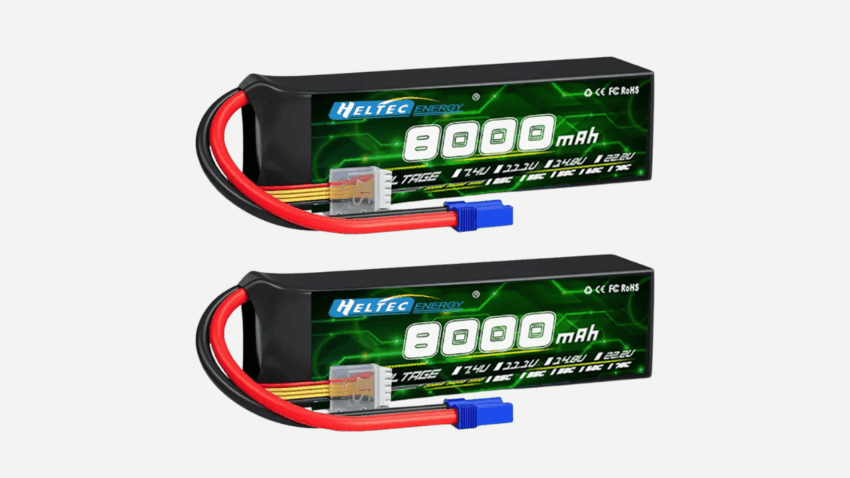
The rapid evolution of unmanned aerial vehicles (UAVs) has transformed industries ranging from aerial cinematography and precision agriculture to industrial infrastructure inspection, search and rescue, and autonomous delivery logistics. Yet, for all the rapid advancements in flight controllers, artificial intelligence, and lightweight carbon-composite airframe materials, the fundamental bottleneck of modern aviation remains unchanged: energy storage. Drones are only as capable, reliable, and enduring as the power source keeping them aloft. This reality makes selecting the right UAV battery manufacturer a critical, strategic decision for drone OEMs, fleet operators, and enterprise technology developers alike.
Behind every successful long-range flight, heavy-payload lift, or endurance record lies an advanced electrochemical powerhouse. Finding an established and innovative UAV battery manufacturer requires looking past standard spec sheets and examining deep engineering capabilities, custom design flexibility, stringent manufacturing tolerances, and uncompromising safety standards. As commercial and industrial drone applications scale globally across complex sectors, understanding what sets an elite energy partner apart is essential for staying competitive in a fast-paced market.
The Anatomy of Aerial Endurance: Why Power Systems Matter
Unmanned aerial systems operate in some of the most demanding environments imaginable, facing rapid temperature shifts, high mechanical vibrations, intense discharge rates, and unpredictable weather conditions. Unlike ground-based consumer electronics, a drone power system cannot afford a single point of failure. When a multirotor or fixed-wing UAV is miles away from its ground control station, the reliability and stability of the onboard energy pack directly determine the safety and success of the entire mission.
A leading UAV battery manufacturer understands that energy density, discharge efficiency, and thermal management are tightly interconnected. Achieving optimal flight times demands maximizing energy density—storing the maximum possible watt-hours per kilogram—without compromising the battery’s ability to deliver sudden bursts of high current required for rapid maneuvers, wind compensation, or vertical takeoff and landing (VTOL) transitions. Balancing these conflicting engineering constraints requires advanced materials science, precise cell sorting, and sophisticated battery management system integration.
Core Capabilities of a World-Class UAV Battery Manufacturer
When evaluating potential suppliers, developers must look far beyond off-the-shelf catalog products. Customization, scalability, and technical transparency define the difference between a basic hardware vendor and a true collaborative engineering partner.
Advanced Cell Chemistry and Custom Engineering
The foundation of any high-performance flight pack lies in its underlying cell chemistry. While traditional lithium-polymer cells have long dominated the drone industry due to their high discharge rates, the constant push for extended flight times has accelerated the adoption of advanced chemistries, including high-silicon anode cells, semi-solid-state batteries, and specialized high-capacity lithium-ion cylindrical formats.
An experienced UAV battery manufacturer possesses the metallurgical and electrochemical expertise to select, test, and integrate the ideal cell chemistry for specific operational profiles. Whether a project requires extreme cold-weather performance, ultra-high discharge rates for racing and agile cinematic drones, or maximum volumetric efficiency for long-endurance mapping platforms, custom engineering ensures that the mechanical enclosure, connector types, and wiring harnesses match the exact geometry and power architecture of the aircraft.
Rigorous Safety Protocols and Quality Assurance
Energy storage systems packed with massive amounts of electrical potential demand absolute safety compliance. Thermal runaway, internal short circuits, and mechanical damage during rough landings pose severe risks to both expensive equipment and human operators on the ground.
Top-tier manufacturers implement multi-layered safety protocols encompassing raw material inspection, automated spot-welding quality checks, high-precision cell matching, and rigorous environmental stress testing. Every custom battery pack typically undergoes vibration testing, thermal chamber cycling, overcharge protection verification, and drop testing before leaving the facility. Furthermore, sophisticated Battery Management Systems must be custom-tailored to monitor individual cell voltages, temperature thresholds, state of charge, and overall cycle health in real-time, communicating seamlessly with the drone’s flight controller to prevent catastrophic failures mid-air.
Emerging Trends Transforming UAV Power Technology
The drone industry never stands still, and neither do the energy systems powering it. Several technological shifts are currently reshaping what engineers expect from a modern UAV battery manufacturer.
One major trend is the integration of intelligent communication protocols within the battery pack itself. Smart batteries featuring SMBus, CAN bus, or advanced telemetry reporting allow operators to monitor precise health metrics, cycle counts, and predictive maintenance schedules, dramatically reducing operational downtime across enterprise fleets.
Another significant development is the rapid commercialization of fast-charging architectures. Industrial and enterprise drone fleets cannot afford lengthy turnaround times on the ground. The push toward high-voltage systems—such as 12S and higher configurations—combined with advanced thermal management during rapid charging cycles, allows drones to swap or recharge batteries and return to the air in a fraction of the time. Leading battery developers are heavily investing in these high-voltage platforms to support heavy industrial payloads and extended visual line-of-sight operations.
Sustainability, Lifecycle Management, and Supply Chain Resilience
Beyond raw performance and safety, modern enterprise procurement teams evaluate sustainability and supply chain stability. The lifecycle of a drone battery extends far beyond its initial deployment. Responsible manufacturing includes eco-friendly production processes, ethical raw material sourcing, and comprehensive recycling pathways for spent lithium cells.
Additionally, geopolitical stability, robust manufacturing infrastructure, and reliable lead times are paramount. Partnering with a UAV battery manufacturer equipped with scalable production lines, strict traceability, and redundant material supply chains protects OEMs from sudden market disruptions and ensures consistent product quality across large production batches.
Choosing the Right Partner for Your Flight Requirements
Selecting the ideal energy collaborator involves a thorough audit of technical credentials, engineering support responsiveness, prototyping speed, and compliance certifications, including UN38.3, CE, FCC, and ISO standards for safe transport and manufacturing. A collaborative partner will review your aircraft’s power draw profiles, weight budgets, and thermal constraints to design a tailored solution that unlocks the true potential of your aerial platform.
As unmanned systems continue to expand into critical infrastructure inspection, automated logistics, and advanced aerial mobility, the demand for superior energy solutions will only accelerate. By collaborating with an innovative and quality-driven UAV battery manufacturer, engineers and fleet operators can push the boundaries of distance, payload capacity, and mission reliability, ensuring their aircraft dominate the skies of tomorrow.
