
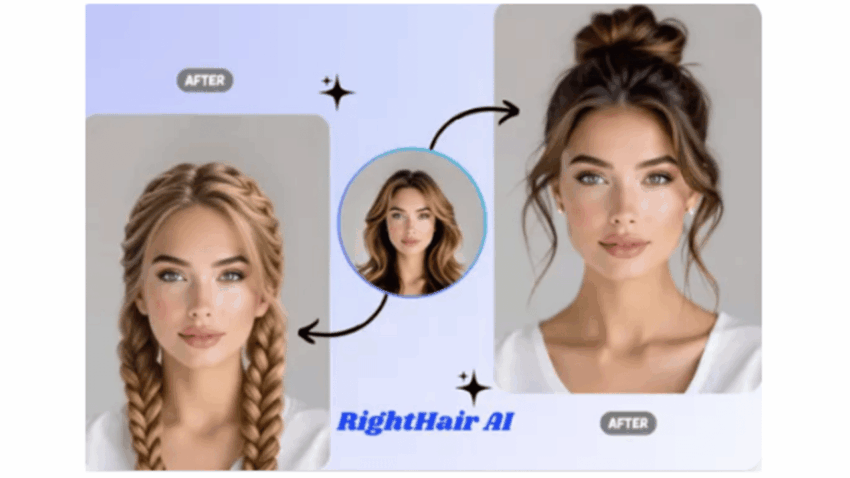
Choosing the right hairstyle has traditionally been a mix of guesswork, personal taste, and stylist intuition. Today, with the advent of AI technology, selecting a haircut is becoming more precise, personalized, and convenient. Platforms like RightHair.ai are leveraging AI hairstyle try-on tools to redefine how people approach hair transformations, offering realistic previews without stepping into a salon.
Understanding AI Hairstyle Try-On Technology
AI hairstyle try-on systems use advanced algorithms to simulate hairstyles on a user’s face. By analyzing facial features, hair texture, and personal style preferences, these platforms can suggest cuts, colors, and styling options that suit an individual’s unique look. Many users have stated that seeing a digital preview reduces hesitation, boosts confidence, and allows experimentation with styles they might otherwise avoid.
This technology is particularly useful when paired with face shape analysis for haircuts. The AI considers factors such as jawline strength, forehead height, and cheekbone prominence to recommend hairstyles that enhance natural features. For instance, individuals with round faces may be suggested layered cuts that add vertical volume, while those with square faces might explore soft waves to balance angular lines.
Industry Trends in Hairstyling
Surveys and platform reports show a growing interest in AI-assisted grooming tools, especially among working professionals and younger audiences. The trend of digital try-ons aligns with broader movements toward virtual fashion, augmented reality shopping, and personalized beauty solutions. Some key industry insights include:
- Diverse Styling Preferences: Users increasingly experiment with non-traditional hairstyles, from curtain bangs and K-style layers to Y2K-inspired cuts.
- Occasion-Based Choices: Hairstyle selection often revolves around key life events—interview season, weddings, graduations, and holiday celebrations drive experimentation.
- Maintenance Awareness: Many users now prioritize hairstyles that balance style and upkeep, favoring cuts that are easy to maintain yet flattering for different settings.
By integrating AI into the process, platforms like RightHair enable clients to explore these trends virtually before committing to a haircut.
Experience Sharing: How Users Interact with AI Hairstyle Tools
Feedback from users demonstrates that AI hairstyle try-on tools are both intuitive and empowering. Many users report that having a visual preview helps them communicate more effectively with their stylists. The process generally involves a few straightforward steps:
- Photo Capture: Users upload photos with consistent lighting, ideally from three angles—front, side, and back.
- Face Analysis: The AI maps facial features and determines potential styles suited to the user’s shape and proportions.
- Hairstyle Trial: Users can select from a range of cuts, colors, and textures, adjusting length or volume to simulate real-life results.
- Saving and Comparing: Multiple styles can be saved for side-by-side comparisons, allowing users to refine choices over time.
Some users have even implemented simple A/B testing strategies, trying a style on one day and reviewing it the next to ensure satisfaction. This method helps identify the most flattering option before visiting a salon.
Hairstyle Classification and Strategies
A key benefit of AI hairstyle try-on platforms is their ability to categorize and suggest hairstyles according to various factors:
By Face Shape
- Oval Faces: Almost any style suits this shape; AI recommends experimentation with both short and long hairstyles.
- Round Faces: Layered cuts, angled bobs, and side-swept bangs add structure.
- Square Faces: Soft waves, curls, or textured layers help soften strong jawlines.
- Heart Faces: Chin-length cuts, curtain bangs, and layered textures balance forehead width.
Integrating face shape analysis for haircuts ensures that these recommendations are not just aesthetic guesses but data-driven suggestions tailored to individual features.
By Hair Texture
- Fine/Soft Hair: Light layers and volumizing styles can create the illusion of density.
- Coarse or Thick Hair: Thinning techniques and textured layers prevent heaviness.
- Curly or Wavy Hair: AI suggests styles that respect natural curl patterns, avoiding cuts that may create unmanageable volume.
- Frizzy or Oily Hair: Recommendations include low-maintenance styles suitable for easy daily styling.
By Occasion
AI platforms can even recommend haircuts based on lifestyle or event needs. For instance, brides might explore soft romantic waves, while students may prefer casual, low-maintenance looks. Seasonal changes also influence style choices—lighter, bouncier cuts are popular in warmer months, while structured, layered styles are favored in winter.
Hair Care and Styling Techniques
Although AI try-on tools focus on visualization, understanding basic hair care and styling is essential to realizing a desired look. Users can benefit from:
- Minimal Daily Styling: Quick 0–5 minute routines for textured or naturally straight hair.
- Moderate Styling: 10-minute styling techniques for waves, curls, or volume.
- Salon Maintenance: Certain hairstyles, especially precision cuts and layered styles, require regular trimming to retain shape.
AI tools often integrate suggestions for styling routines alongside the hairstyle preview, making them more practical and actionable for everyday users.
Communicating with Your Stylist
Digital try-ons are valuable, but translating them into actionable instructions for a hairstylist can be challenging. Users often find it helpful to prepare a list of key points before their appointment:
- Desired hair length, layers, or bangs
- Sideburns or fringe preferences
- Volume and texture adjustments
- References to the digital preview for clarity
This “cuttable language” ensures that stylists understand the exact intention behind the AI-generated preview, reducing misunderstandings and increasing satisfaction.
Limitations and Data Considerations
While AI hairstyle try-on platforms provide many advantages, users should remain aware of limitations:
- Lighting and Photo Quality: Poor lighting or low-resolution images can distort results.
- Dynamic Hair Behavior: AI simulations may not fully capture how hair responds to humidity, styling products, or growth patterns.
- Data Security: Users should review privacy policies and confirm that personal photos are stored securely, as most platforms retain images for modeling purposes.
Understanding these boundaries helps users set realistic expectations and maximize the benefit of AI visualization tools.
Practical Tips for Effective AI Hairstyle Try-On
To make the most of AI hairstyle try-on technology, several practical strategies are recommended:
- Multiple Angles: Always provide front, side, and back images to allow comprehensive simulation.
- Consistent Lighting: Ensure that photos are taken in similar lighting conditions for accuracy.
- Compare Styles: Save multiple hairstyles to perform visual comparisons over time.
- Iterative Adjustments: Experiment with small changes in length, bangs, or color before making a final decision.
- Ask the Right Questions: When consulting a stylist, use the AI preview as a guide, asking about feasibility, maintenance, and suitability for your hair texture.
These steps increase confidence in selecting a style that is both visually appealing and practical.
The Future of Hairstyling
As AI continues to evolve, the integration of hairstyle try-on platforms is likely to expand. Emerging trends indicate:
- Personalized Recommendations: Machine learning models will become more precise at predicting ideal styles based on lifestyle, seasonal trends, and face shape.
- Virtual Consultations: AI may eventually integrate directly with live video consultations, allowing stylists and clients to co-create looks in real time.
- Expanded Haircare Integration: Future platforms could combine style visualization with product and care suggestions for a holistic approach.
The marriage of technology and personal grooming empowers users to make informed, confident choices, transforming the haircut experience from uncertain trial-and-error to informed experimentation.
In conclusion, AI hairstyle try-on platforms like RightHair.ai are redefining how people choose and experience new hairstyles. By combining face shape analysis for haircuts with practical trial methods, users can explore styles confidently, communicate effectively with stylists, and tailor their appearance to personal preferences, occasions, and lifestyle. While limitations exist, thoughtful use of these tools can make hairstyle selection both precise and enjoyable—a glimpse into the future of grooming where technology and style converge seamlessly.