

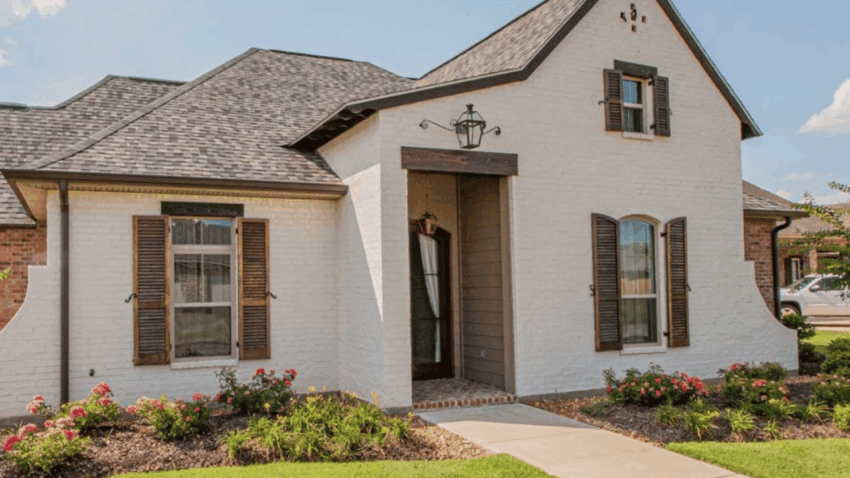
Roofing systems face unique challenges in environments with consistently high humidity. Excess moisture in the air can accelerate material deterioration, promote biological growth, and weaken structural components. Understanding how humidity affects different roofing materials helps property owners plan effective maintenance and extend roof longevity.
Moisture and Material Degradation
When humidity levels remain high, roofing materials absorb more moisture than in drier climates. This absorption can lead to swelling, cracking, or warping over time. Metal roofing may experience increased corrosion, while asphalt-based materials often lose flexibility and adhesion. Even systems designed for durability require regular inspections to detect early signs of moisture damage.
Biological Growth and Its Impact
High humidity creates ideal conditions for algae, mold, and moss. These organisms thrive on damp surfaces, particularly in shaded areas. Their growth not only affects appearance but can also hold additional moisture against the surface, accelerating wear. Regular cleaning and preventive treatments help minimize these effects and preserve the roof’s integrity.
Common Signs of Biological Damage
- Dark streaks or discoloration on shingles or panels
- Slippery or damp patches that persist after rainfall
- Uneven fading or staining across roof sections
Thermal Movement and Sealant Breakdown
In humid regions, temperature fluctuations combine with moisture exposure to cause expansion and contraction in roofing materials. Over time, this movement weakens seals and joints. Cracked flashing, separated seams, and brittle caulking are common results. A qualified roofing contractor can assess these issues and recommend compatible sealants that better withstand local conditions.
Insulation and Ventilation Considerations
Proper insulation and ventilation are essential for controlling humidity within roof assemblies. Without adequate airflow, trapped moisture can condense beneath the surface, leading to rot or mildew. Balanced ventilation systems help stabilize internal temperatures and reduce humidity-related stress on the structure, extending the service life of the entire roof system.
Different Roofing Materials in Humid Climates
Each roofing type reacts differently to moisture exposure. Understanding these differences supports better material selection and maintenance planning for humid environments.
Metal Roofing
While metal resists many environmental factors, persistent humidity can encourage corrosion, especially near fasteners or edges. Protective coatings and routine inspections help prevent rust development.
Asphalt Shingles
Asphalt shingles can absorb moisture, leading to granule loss and curling. In humid climates, algae-resistant varieties provide longer-lasting performance and maintain visual appeal.
Single-Ply Membranes
Membrane roofs, such as PVC or TPO, benefit from their waterproof properties but still require careful seam maintenance. Humidity can soften adhesives, so regular checks ensure tight bonding and prevent leaks.
Maintenance Strategies for Longevity
Extending the lifespan of a roof in a humid area depends on consistent inspection and preventive care. Regular cleaning, debris removal, and timely repairs reduce the effects of moisture retention. Partnering with specialists experienced in commercial roof repair ensures that small issues are addressed before they develop into structural concerns.
Planning for Long-Term Performance
By understanding how roofing materials respond to high humidity, property owners can make informed decisions about maintenance schedules and system upgrades. Investing in moisture-resistant materials, proper ventilation, and expert inspection practices helps maintain performance and protects the building from long-term water-related damage.
