

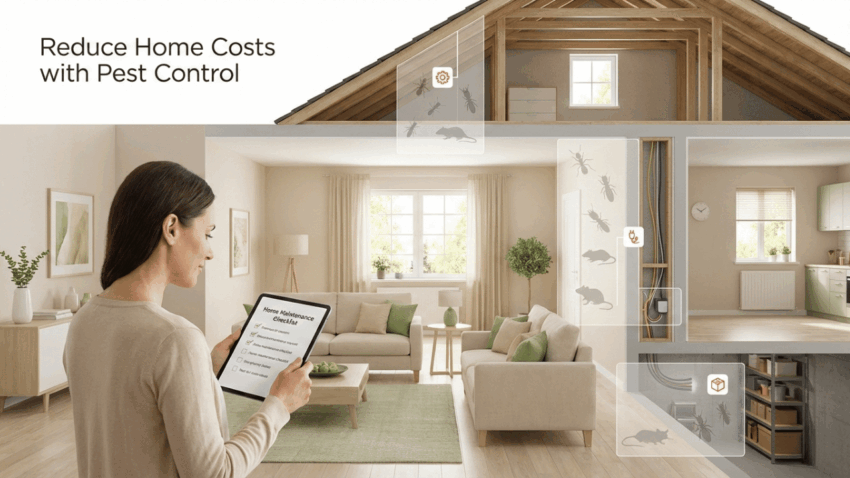
Home maintenance often focuses on visible repairs such as roofing, plumbing, and landscaping. However, unseen pest activity can create hidden damage that leads to costly restoration. Waiting until a problem becomes obvious usually results in higher expenses and greater disruption. Preventive strategies offer a more predictable and manageable approach.
Insects and rodents can damage wiring, insulation, wood framing, and stored belongings. These problems frequently develop behind walls or under flooring where they remain unnoticed. Addressing pest risks early prevents minor concerns from escalating into expensive repairs.
Homeowners who work with Agile Pest Control often recognize that consistent Pest control programs provide financial protection as well as peace of mind.
Preventing structural damage early
Certain pests feed on wood and other building materials.
When left unchecked, structural components weaken over time. Early detection limits the need for extensive restoration work.
Preventive inspections reduce major repair costs.
Protecting electrical systems
Rodents often chew through wiring.
Damaged electrical lines may create fire hazards or system failures. Routine monitoring helps identify activity before wiring requires replacement.
Safety improvements reduce liability.
Preserving insulation quality
Insulation in attics and crawl spaces provides warmth and energy efficiency.
Rodent nesting can compress or contaminate insulation, reducing its effectiveness. Replacing damaged material can be costly.
Preventive Pest control protects energy performance.
Reducing contamination cleanup expenses
Droppings and nesting debris may require professional cleaning.
Surface contamination affects air quality and sanitation. Early intervention limits the need for extensive remediation.
Clean environments save money.
Avoiding emergency service calls
Unexpected infestations often require urgent treatment.
Emergency services typically cost more than scheduled maintenance. Predictable service plans help stabilize budgets.
Planning prevents financial surprises.
Protecting stored belongings
Seasonal decorations, clothing, and documents stored in basements or garages are vulnerable.
Pests may chew through boxes or fabric. Preventive monitoring reduces the risk of replacing valuable items.
Storage protection preserves investments.
Preventing moisture related damage
Some pests are attracted to damp environments.
Addressing leaks and humidity not only discourages infestations but also prevents mold growth. Combined maintenance efforts reduce overlapping repair costs.
Integrated care improves efficiency.
Supporting consistent exterior upkeep
Landscaping influences pest exposure.
Overgrown shrubs and debris near foundations create nesting areas. Midway through annual evaluations, Agile Pest Control assesses exterior conditions to ensure Pest control efforts align with overall property maintenance.
Exterior awareness supports prevention.
Extending appliance lifespan
Pests may damage appliances by nesting inside or chewing components.
Repairing or replacing affected units can be expensive. Monitoring reduces the likelihood of hidden damage.
Equipment protection adds savings.
Reducing health related expenses
Infestations may trigger allergies or respiratory issues.
Medical visits and treatments add unexpected costs. Preventive strategies reduce exposure to common allergens.
Health protection benefits families.
Supporting resale value
Documented maintenance history reassures potential buyers.
Homes with visible pest damage may require price reductions. Preventive Pest control protects property valuation.
Well maintained homes attract stronger offers.
Avoiding repeat treatments
Reactive methods sometimes fail to address root causes.
Structured prevention reduces the frequency of repeated infestations and treatments.
Long term planning improves cost efficiency.
Minimizing landscaping repair costs
Burrowing pests may disturb lawns and garden beds.
Repairing damaged landscaping requires additional labor and materials. Preventive monitoring limits disruption.
Yard protection preserves curb appeal.
Encouraging responsible waste management
Secure trash storage discourages pest activity.
Reducing accessible food sources lowers infestation risk and prevents cleanup costs associated with scattered waste.
Organization supports savings.
Preventing foundation repairs
Certain pests exploit small structural cracks.
If damage progresses, foundation repairs may become necessary. Early sealing and inspection reduce these risks.
Structural integrity protects finances.
Supporting rental property stability
Landlords face increased costs when infestations affect tenants.
Coordinated Pest control programs reduce turnover related repairs and complaints.
Stable properties improve profitability.
Maintaining long term budget predictability
Preventive plans distribute costs evenly over time.
Unexpected infestations often require larger, immediate expenditures. Structured scheduling enhances financial planning.
Consistency strengthens budgeting.
Encouraging homeowner awareness
Education empowers homeowners to recognize early warning signs.
Prompt reporting shortens treatment timelines and limits escalation.
Awareness contributes to cost control.
Reducing insurance claim risks
Some pest related damage may not be covered by insurance.
Preventive maintenance reduces exposure to uncovered losses.
Preparedness protects assets.
Conclusion
Hidden pest activity can create long term financial strain if left unchecked. From structural damage to contaminated storage areas, the costs of delayed response often exceed preventive investment.
With support from Agile Pest Control, homeowners can implement structured Pest control programs that reduce unexpected repair expenses and protect property value. Consistent inspections, proactive maintenance, and responsible planning combine to create safer, more cost efficient homes for years to come.
