
Visual communication has become the dominant language of the digital era. Whether in social media feeds, marketing campaigns, online education, or entertainment platforms, compelling visuals capture attention faster than text and convey emotion more effectively. However, producing high-quality visuals traditionally requires time, design expertise, and expensive tools. Image to Image AI is transforming this landscape by enabling users to convert ordinary images into visually striking and creatively enhanced outputs in seconds.
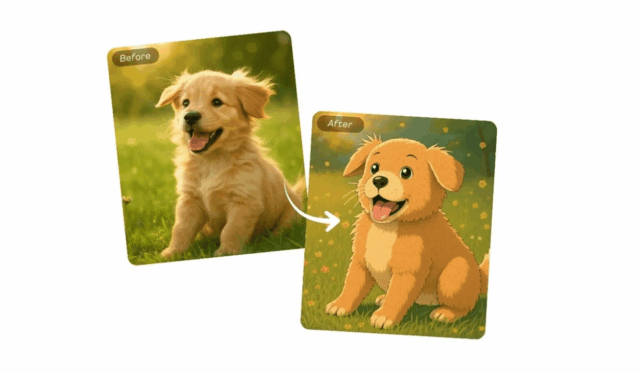
Rather than editing an image manually through layers and adjustments, Image to Image AI uses deep learning to reinterpret and regenerate visuals based on style references or text prompts. The result is a new image that preserves the structure of the original while adopting an entirely new aesthetic direction.
This technology is redefining creative workflows and unlocking new possibilities for individuals and businesses alike.
Understanding the Core Concept of Image to Image AI
At its foundation, Image to Image AI relies on advanced neural networks trained on vast datasets of images and artistic styles. These systems understand composition, lighting, textures, shapes, and depth, enabling them to rebuild an image while applying requested transformations.
Instead of applying simple filters, AI can:
- restyle images into artistic formats
- modify lighting and mood
- replace or enhance backgrounds
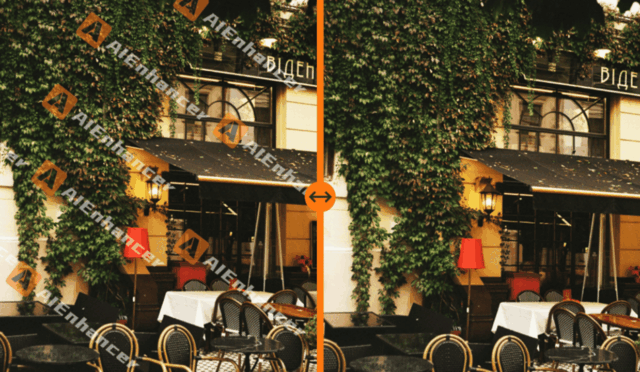
- improve detail and clarity
- generate multiple stylistic variations
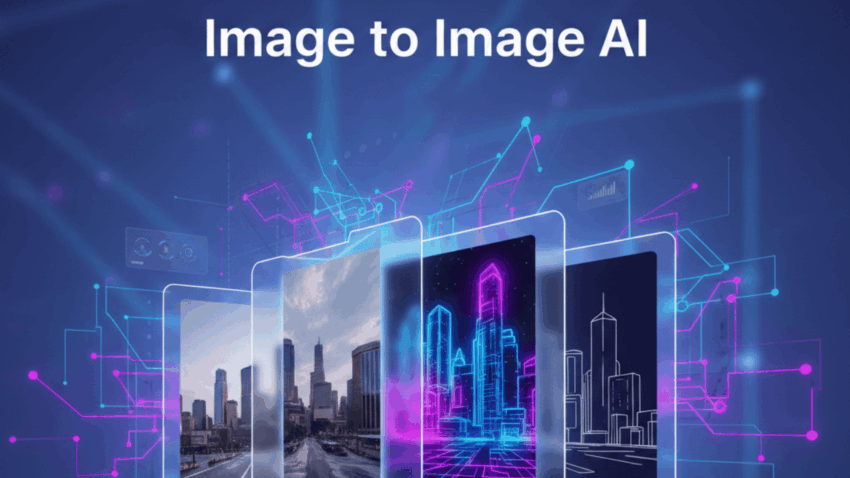
For example, a daytime street photo can be transformed into a rainy neon-lit night scene, or a simple portrait can be reimagined as a classical painting. The transformation is intelligent, context-aware, and visually coherent.
This ability allows creators to move from basic editing to creative reinvention.
Unlocking Creativity Through Style Transformation
One of the most powerful benefits of Image to Image AI is rapid visual experimentation. A single source image can be transformed into multiple creative styles within seconds.
A product photo, for instance, can be converted into:
- a luxury magazine aesthetic
- a minimalist Scandinavian design style
- a vibrant pop-art visual
- a futuristic cyberpunk look
- a warm lifestyle scene
This flexibility helps brands adapt visuals to different audiences, seasons, and marketing channels without reshooting images.
For artists and designers, the technology accelerates concept development and creative exploration. Instead of spending hours rendering variations, they can generate numerous visual directions instantly.
Bringing Still Images to Life with Animate Image AI
Static images are powerful, but motion introduces realism and emotional connection. AI Animate Image enhances Image to Image AI by adding subtle movement that transforms still visuals into lifelike experiences.
Rather than turning photos into full videos, this technology introduces micro-animations such as:
- blinking eyes and subtle facial movements in portraits
- softly moving clouds or flowing water in landscapes
- glowing ambient light or floating particles
- gentle environmental effects like rain or mist
These dynamic touches make visuals feel immersive and alive.
Animate image ai is especially valuable for:
- restoring and revitalizing historical photographs
- digital storytelling and heritage preservation
- social media engagement and viral content
- interactive museum displays
- personalized memory projects
By maintaining authenticity while adding motion, creators can evoke deeper emotional responses from viewers.
Creating Engaging Content with Face Swap Video Integration
Another exciting advancement in AI-driven visual media is the integration of Face Swap Video technology. When combined with Image to Image AI workflows, creators can produce entertaining and highly engaging content.
Face Swap Video allows users to replace faces in video clips with remarkable realism, opening new possibilities for entertainment, marketing, and creative storytelling.
For example:
- social media creators can produce humorous or viral content
- brands can personalize promotional videos for different audiences
- filmmakers can experiment with casting concepts
- educators can create engaging character-based learning materials
When paired with Image to Image AI, creators can first stylize and enhance visuals, then use Face Swap Video to add dynamic personalization and storytelling elements.
This combination makes content more engaging, memorable, and shareable.
Prompt-Based Editing: Creativity Through Natural Language
A major innovation driving AI image transformation is prompt-based editing. Instead of complex design tools, users simply describe their desired outcome using natural language.
Examples include:
- “Transform this portrait into a cinematic film still.”
- “Add golden sunset lighting and warm tones.”
- “Turn this cityscape into a futuristic neon environment.”
- “Convert this image into an oil painting style.”
The AI interprets the request and produces a visually coherent result.
This intuitive workflow makes professional-level editing accessible to beginners while allowing professionals to iterate rapidly.
Prompt-based editing also encourages experimentation, enabling users to explore creative directions quickly and refine results in real time.
Real-World Applications Across Industries
Image to Image AI is rapidly becoming an essential tool across various sectors.
Marketing and Advertising
Businesses generate diverse visual variations tailored for campaigns, seasonal promotions, and global audiences.
E-Commerce
Retailers create lifestyle backgrounds, contextual scenes, and promotional visuals to enhance product appeal.
Entertainment and Media
Creators develop stylized imagery, animated visuals, and personalized video content using Face Swap Video.
Education and Training
Visual storytelling helps simplify complex concepts and increase engagement.
Social Media Content Creation
Dynamic visuals and animated imagery improve audience interaction and shareability.
Personal Creativity
Users restore old photos, create stylized portraits, and produce entertaining face swap content.
Advantages Driving Adoption
The growing popularity of Image to Image AI is fueled by several major advantages:
Speed
Transform visuals in seconds instead of hours.
Ease of Use
No design expertise required.
Creative Freedom
Generate multiple visual styles instantly.
Cost Efficiency
Reduce reliance on professional studios and editing teams.
Scalability
Produce large volumes of content for campaigns and platforms.
These benefits make the technology valuable for both individuals and organizations.
Ethical Considerations and Responsible Usage
As AI-powered visual tools become more advanced, ethical use is essential. Creators should ensure transparency and respect rights when generating and modifying visual content.
Responsible practices include:
- obtaining consent when using identifiable faces
- avoiding misleading or deceptive visual manipulation
- respecting copyright and intellectual property rights
- disclosing AI-generated content when appropriate
By following ethical guidelines, creators can maintain trust while leveraging powerful creative tools.
The Future of AI-Powered Visual Transformation
Image to Image AI continues to evolve rapidly. Future advancements may include:
- real-time transformation and animation
- enhanced realism in textures and lighting
- personalized AI models tailored to individual styles
- seamless integration with augmented and virtual reality
- deeper fusion between static images, animation, and video content
As Animate image ai and Face Swap Video technologies advance alongside image transformation tools, the creative pipeline will become increasingly unified, allowing users to move effortlessly from still images to animated visuals and personalized video experiences.
Conclusion
Image to Image AI is redefining how visuals are created and experienced. By enabling intelligent transformation, lifelike animation, and personalized video content, this technology empowers creators to produce compelling visuals with unprecedented speed and flexibility.
From enhancing marketing campaigns and revitalizing old photographs to creating engaging social media content and interactive storytelling experiences, Image to Image AI removes traditional barriers to creativity. When combined with Animate image ai and Face Swap Video, the potential expands even further — transforming static photos into dynamic, personalized, and immersive visual experiences.
As visual communication continues to shape the digital landscape, AI-driven image transformation is not just a technological innovation — it is a creative revolution enabling anyone to turn imagination into reality.