

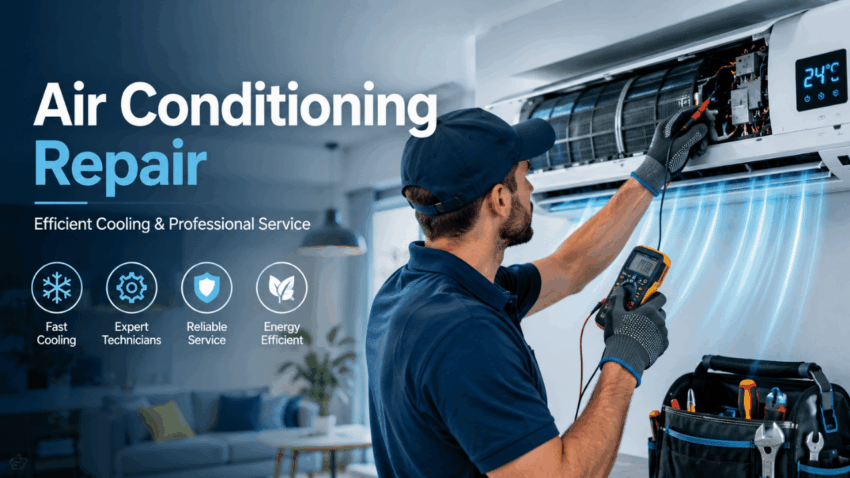
Air conditioning systems have become an essential part of modern life, especially in regions where high temperatures and humidity levels create uncomfortable indoor conditions. Homes, offices, commercial facilities, hospitals, warehouses, and industrial buildings all rely heavily on air conditioning systems to maintain comfortable and productive environments. However, like any mechanical system, air conditioners can experience wear and tear over time, making air conditioning repair a critical aspect of maintaining reliable cooling performance.
A malfunctioning air conditioning system can quickly disrupt comfort, increase energy consumption, and create operational challenges for both residential and commercial properties. Small issues such as reduced airflow or unusual noises may seem minor at first, but if ignored, they can develop into major mechanical failures that require costly repairs or complete system replacement. This is why regular maintenance and timely repair services are essential for ensuring long-term efficiency and reliability.
Modern air conditioning systems are highly advanced and involve multiple interconnected components such as compressors, condensers, evaporator coils, thermostats, fans, refrigerant lines, and electrical controls. Understanding how these systems work and recognizing early warning signs of trouble can help property owners address issues before they become serious problems.
Understanding How Air Conditioning Systems Work
Air conditioning systems function by removing heat and humidity from indoor air and transferring that heat outside the building. This process relies on a refrigeration cycle that involves refrigerant circulation through various system components.
The compressor is considered the heart of the system because it pressurizes the refrigerant and moves it through the cooling cycle. The refrigerant absorbs indoor heat at the evaporator coil and releases it outdoors through the condenser unit. Fans and blowers help circulate cooled air throughout the building using duct systems or direct airflow.The thermostat controls the system by monitoring indoor temperature and signaling the air conditioner to turn on or off as needed. Air filters trap dust and airborne particles, helping maintain indoor air quality and protecting internal components from contamination.
When any part of this process becomes inefficient or damaged, the system may struggle to cool properly or stop functioning altogether. Air conditioning repair focuses on diagnosing and resolving these issues to restore optimal performance.
Common Air Conditioning Problems
Air conditioning systems can experience a variety of problems due to age, lack of maintenance, electrical issues, or environmental conditions. Recognizing these common issues early can prevent major breakdowns and expensive repairs.
Refrigerant Leaks
Refrigerant is essential for the cooling process. If the system develops a leak, cooling performance drops significantly, and the air conditioner may struggle to maintain desired temperatures.
Low refrigerant levels also force the compressor to work harder, increasing energy consumption and risking compressor failure. Refrigerant leaks should always be handled by qualified technicians because proper handling and recharging require specialized equipment.
Dirty or Clogged Air Filters
Air filters collect dust, dirt, and airborne particles to keep indoor air clean. Over time, these filters become clogged, restricting airflow and reducing system efficiency.
Restricted airflow forces the system to work harder, increasing energy usage and placing unnecessary strain on internal components. Regular filter replacement is one of the simplest and most effective ways to prevent repair issues.
Frozen Evaporator Coils
Evaporator coils absorb heat from indoor air. If airflow becomes restricted or refrigerant levels drop, moisture on the coils can freeze, reducing cooling performance.
Frozen coils often indicate underlying problems such as dirty filters, blocked vents, or refrigerant issues. Ignoring frozen coils can lead to serious system damage over time.
Compressor Failure
The compressor is one of the most expensive and important components in an air conditioning system. Electrical issues, overheating, or refrigerant problems can cause compressor failure.
A damaged compressor may prevent the system from cooling entirely. Because compressor replacement can be costly, regular maintenance is essential for preventing unnecessary wear.
Electrical Problems
Air conditioning systems rely heavily on electrical components such as capacitors, relays, contactors, and wiring connections. Faulty electrical parts can cause intermittent operation, system shutdowns, or startup failures.
Electrical issues should always be addressed promptly because they can create fire hazards and lead to additional damage if left unresolved.
Thermostat Malfunctions
The thermostat controls system operation and temperature settings. If it becomes faulty or improperly calibrated, the system may cycle incorrectly or fail to maintain consistent temperatures.
Modern smart thermostats may also experience software or connectivity issues that affect performance.
Importance of Timely Air Conditioning Repair
Prompt air conditioning repair is essential for maintaining comfort, efficiency, and long-term system reliability. Delaying repairs often allows minor problems to worsen, leading to more extensive and expensive damage.One of the biggest benefits of timely repair is improved energy efficiency. A malfunctioning system consumes more electricity while delivering reduced cooling performance. Repairing worn or damaged components helps restore efficiency and lower utility costs.
Timely repairs also improve indoor comfort. Inconsistent temperatures, weak airflow, and excessive humidity can make indoor spaces uncomfortable, especially during hot weather. Restoring proper operation ensures stable and comfortable cooling performance.
Another important factor is equipment lifespan. Air conditioning systems experience less strain when problems are addressed early, allowing them to operate more smoothly and last longer.For commercial and industrial facilities, avoiding downtime is especially important. A failed cooling system can disrupt operations, reduce employee productivity, and negatively affect sensitive equipment or stored products.
Preventive Maintenance and System Longevity
Preventive maintenance plays a major role in reducing the need for emergency air conditioning repair. Regular servicing helps identify potential issues before they become serious problems.One of the most important maintenance tasks is cleaning or replacing air filters regularly. Clean filters improve airflow, maintain indoor air quality, and reduce strain on the system.Coils and condenser units should also be cleaned periodically. Dirt buildup on coils reduces heat transfer efficiency and forces the system to work harder.
Checking refrigerant levels and inspecting refrigerant lines helps ensure proper cooling performance. Low refrigerant levels often indicate leaks that require immediate attention.Electrical components should be inspected regularly for loose connections, damaged wiring, or worn parts. Preventive electrical maintenance reduces the risk of sudden system failures.Lubricating moving components such as fan motors and checking thermostat calibration also contribute to efficient system operation.Annual professional inspections are highly recommended because technicians can identify hidden problems and perform detailed system diagnostics.
Indoor Air Quality and Air Conditioning Systems
Air conditioning systems do more than cool indoor spaces; they also influence indoor air quality. Poorly maintained systems can circulate dust, mold spores, allergens, and bacteria throughout the building.Dirty filters and contaminated ductwork reduce air quality and may trigger allergies or respiratory issues. Regular cleaning and maintenance help ensure cleaner airflow and healthier indoor environments.
Humidity control is another important factor. Excess humidity can promote mold growth and create discomfort, while overly dry air may cause irritation. Properly functioning air conditioning systems help maintain balanced indoor humidity levels.Advanced systems now include air purification technologies such as HEPA filtration, ultraviolet lights, and humidity control features that further improve indoor air quality.
Residential vs Commercial Air Conditioning Repair
Residential and commercial air conditioning systems differ significantly in size, complexity, and operational demands.Residential systems are typically smaller and designed for individual homes or apartments. Repair work often involves central air conditioners, ductless mini-splits, or window units.
Commercial systems are larger and more complex, often involving rooftop units, chillers, cooling towers, and integrated building management systems. These systems operate continuously and require specialized expertise for maintenance and repair.
Commercial facilities often rely on preventive maintenance contracts to ensure consistent system performance and minimize downtime.Industrial cooling systems may also involve process cooling equipment used in manufacturing and production environments. Repairing these systems requires advanced technical knowledge and experience.
Energy Efficiency and Modern Air Conditioning Technology
Energy efficiency has become a major focus in the HVAC industry due to rising electricity costs and environmental concerns. Modern air conditioning systems are designed to consume less energy while delivering improved cooling performance.Variable-speed compressors, smart thermostats, and advanced refrigerants help improve efficiency and reduce operational costs.
Smart HVAC technology allows users to control cooling systems remotely and monitor performance in real time. Automated temperature adjustments improve comfort while reducing unnecessary energy consumption.Energy-efficient systems not only lower utility bills but also reduce environmental impact by minimizing greenhouse gas emissions.
Warning Signs That Indicate Repair Is Needed
Recognizing early warning signs can help prevent major air conditioning failures. Some common indicators include weak airflow, unusual noises, warm air from vents, foul odors, and rising energy bills.Frequent cycling, uneven cooling, or excessive humidity also suggest that the system may require professional inspection.
Water leaks around the indoor unit may indicate clogged drain lines or refrigerant issues. Strange sounds such as grinding, rattling, or buzzing often point to mechanical or electrical problems.Ignoring these signs can result in more severe damage and higher repair costs over time.
Choosing Professional Air Conditioning Repair Services
Selecting experienced and qualified technicians is essential for safe and effective air conditioning repair. Professional technicians have the tools, training, and expertise required to diagnose issues accurately and perform reliable repairs.Licensed technicians also ensure that repairs comply with safety regulations and manufacturer standards.
When choosing a repair service, businesses and homeowners should consider factors such as experience, certifications, customer reviews, emergency service availability, and maintenance support.Reliable service providers not only repair existing problems but also offer preventive maintenance recommendations that improve long-term system performance.
Conclusion
Air conditioning repair is essential for maintaining indoor comfort, energy efficiency, and long-term system reliability. Whether in residential homes, commercial buildings, or industrial facilities, properly functioning cooling systems are critical for creating safe and productive indoor environments.Understanding how air conditioning systems work and recognizing common warning signs can help property owners address issues before they become serious problems. Preventive maintenance, timely repairs, and professional servicing all contribute to improved efficiency and extended equipment lifespan.
As technology continues to advance, modern air conditioning systems are becoming more energy-efficient, intelligent, and environmentally friendly. Businesses and homeowners who invest in proper maintenance and quality repair services can enjoy consistent cooling performance while reducing operational costs and avoiding unnecessary breakdowns.Ultimately, regular air conditioning repair and maintenance provide long-term benefits by improving comfort, protecting equipment investment, and ensuring reliable climate control throughout the year.
