
As electricity prices continue to rise and grid reliability becomes less predictable, homeowners and businesses are increasingly turning toward battery storage solutions. Installing a modern energy storage battery is no longer just an upgrade it is a strategic investment in energy independence, sustainability, and long-term cost control.
However, installation requires proper planning, technical understanding, and the right system configuration. This comprehensive guide walks you step-by-step through the installation process while helping you choose the best solution for your energy needs.
Why Install an Energy Storage Battery?
Before diving into installation, it’s important to understand the benefits of battery energy storage systems (BESS).
A properly installed energy storage battery allows you to:
- Store excess solar energy for nighttime use
- Protect your home during power outages
- Reduce peak electricity charges
- Improve grid resilience
- Lower carbon emissions
- Increase property value
In addition, when paired with a solar photovoltaic (PV) system, battery storage maximizes renewable energy usage and minimizes dependency on fossil fuels.
Step 1: Assess Your Energy Requirements
The first and most critical step is evaluating your electricity consumption.
Review Your Usage Data
Start by analyzing:
- Your last 12 months of electricity bills
- Daily kilowatt-hour (kWh) consumption
- Peak usage hours
- Critical appliances that must run during outages
This data determines the required battery capacity and inverter power rating.
Determine Backup Priorities
Ask yourself:
- Do you need whole-home backup?
- Or only essential circuits like refrigeration, lighting, and internet?
- Are you planning to charge an electric vehicle?
Understanding your priorities ensures proper system sizing and avoids overspending.
Step 2: Choose the Right Battery Type
Modern battery systems use advanced chemistries, primarily lithium-based technologies.
Lithium-Ion Batteries
- High energy density
- Compact design
- Fast charging capabilities
- Long operational lifespan
LiFePO₄ (Lithium Iron Phosphate)
- Enhanced safety and thermal stability
- Longer cycle life
- Lower risk of overheating
- Ideal for residential and commercial storage
Most modern energy storage battery systems utilize LiFePO₄ due to superior durability and reliability.
Step 3: Select the Appropriate Capacity and Power Output
Two metrics matter most:
- Capacity (kWh): Determines how long stored energy lasts
- Power (kW): Determines how many appliances can run simultaneously
For example:
- A 10 kWh battery may power essential loads overnight
- A 20+ kWh system may support whole-home operation
Choosing the correct combination ensures uninterrupted power and optimal performance.
Step 4: Decide on System Configuration
Battery systems can be configured in multiple ways:
AC-Coupled Systems
- Ideal for adding storage to existing solar systems
- Easier retrofit installation
DC-Coupled Systems
- Higher efficiency
- Fewer energy conversion losses
Hybrid Inverter Systems
- Manage solar production and battery storage in one integrated unit
- Improve system efficiency and smart energy management
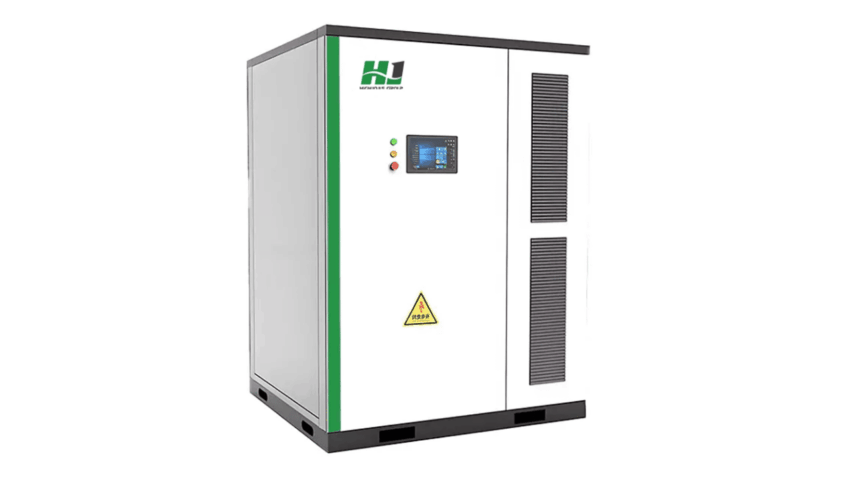
Additionally, large-scale installations may require an energy storage container system, which integrates battery modules, power conversion systems (PCS), thermal management, and safety infrastructure within a single scalable enclosure.
Step 5: Evaluate Installation Location
Battery placement is critical for safety and performance.
Ideal Locations Include:
- Garage walls
- Utility rooms
- Outdoor weatherproof enclosures
- Dedicated battery cabinets
Ensure:
- Adequate ventilation
- Stable ambient temperature
- Compliance with local electrical codes
- Safe distance from flammable materials
Professional installers assess structural integrity and electrical panel compatibility before installation.
Step 6: Installation Process Overview
While certified professionals should perform the installation, understanding the process helps you prepare.
1. Site Inspection
Technicians evaluate wiring, breaker panels, solar inverters, and load distribution.
2. Mounting and Placement
Battery units are securely mounted and connected to the electrical system.
3. Inverter Integration
The battery integrates with solar inverters or hybrid systems.
4. Electrical Connections
System wiring connects to your main distribution panel.
5. Software Configuration
Energy management systems (EMS) are configured for optimized charging and discharging.
6. Testing and Commissioning
Final inspections ensure proper operation and safety compliance.
Step 7: Integrate Smart Energy Management
Modern battery systems are equipped with intelligent software platforms that:
- Monitor real-time energy production and usage
- Optimize charging cycles
- Shift energy usage to off-peak hours
- Enable remote monitoring via mobile apps
- Provide outage alerts and system diagnostics
Smart monitoring ensures maximum return on investment and system longevity.
Step 8: Plan for Future Expansion
Energy needs evolve over time.
Consider future upgrades such as:
- Electric vehicle chargers
- Heat pumps
- Expanded solar arrays
- Additional battery modules
Modular battery systems allow easy expansion without replacing the entire system.
Step 9: Understand Safety Features
Safety is paramount in battery installations.
High-quality systems include:
- Battery Management Systems (BMS)
- Thermal control mechanisms
- Overcharge and short-circuit protection
- Fire suppression systems
- IP-rated enclosures for outdoor durability
Large commercial setups often use integrated energy storage container system solutions that provide industrial-grade safety infrastructure.
Step 10: Calculate Return on Investment
Installing a battery system is a long-term financial decision.
Key ROI Factors:
- Electricity rate reduction
- Demand charge savings
- Backup power reliability
- Government incentives and tax credits
- Increased property value
Typically, residential battery systems achieve payback within 5–10 years, depending on usage patterns and utility pricing structures.
Common Mistakes to Avoid
Avoid these frequent installation errors:
- Undersizing your battery capacity
- Ignoring inverter compatibility
- Overlooking warranty coverage
- Installing without professional certification
- Failing to plan for future expansion
Proper planning eliminates costly corrections later.
Why Choose a High-Quality Energy Storage Solution?
Selecting a trusted manufacturer ensures:
- Certified engineering standards
- High-efficiency lithium battery technology
- Integrated smart management systems
- Durable system enclosures
- Long-term warranty support
Whether for residential use or commercial deployment, investing in a premium energy storage battery ensures performance, safety, and scalability.
Frequently Asked Questions (FAQs)
1. How long does an energy storage battery last?
Most high-quality lithium battery systems last between 10–15 years, with 6,000–10,000 charge cycles.
2. Can I install a battery without solar panels?
Yes. Batteries can store electricity from the grid; however, pairing them with solar maximizes savings.
3. Is professional installation required?
Yes. Certified installation ensures safety, code compliance, and warranty protection.
4. How much battery capacity do I need?
It depends on your daily energy usage and whether you want essential-load or whole-home backup.
5. Can I expand my system later?
Most modern systems are modular and allow additional battery units to be added.
6. What happens during extended power outages?
If paired with solar, your battery can recharge during daylight hours and continue supplying energy.
7. Are energy storage systems environmentally friendly?
Yes. They increase renewable energy usage and reduce fossil fuel dependency.
8. What maintenance is required?
Battery systems require minimal maintenance, mainly software monitoring and occasional inspections.
Final Thoughts
Installing an energy storage battery is one of the smartest decisions you can make for energy independence and sustainability. With rising electricity costs and increasing grid instability, battery storage provides peace of mind, financial savings, and environmental responsibility.
Moreover, when scaled through an advanced energy storage container system, these solutions become powerful infrastructure assets for businesses and large-scale projects.