

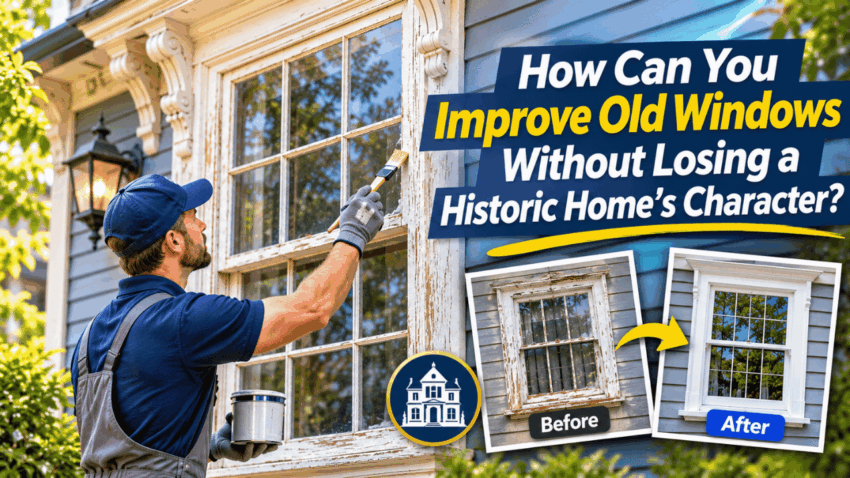
Walk past an older house, and the windows are often among the first details you notice. They might have tall, narrow panes, delicate wooden frames, or decorative patterns that newer homes rarely feature. These details help tell the story of when the house was built. Replacing them with modern designs that look completely different can change the character of an entire building, even when the rest of its exterior remains untouched.
For owners of older properties, improving window performance requires a different approach from a typical renovation. Historical windows may need better weather protection, easier operation, or improved insulation, but those improvements should not automatically come at the expense of original craftsmanship. Speaks Custom Windows and Doors is one business name associated with window and door improvements, a category where understanding the distinction between restoration and replacement is especially relevant.
The challenge is finding a solution that makes the home more comfortable without erasing the architectural features that make it distinctive. Fortunately, there are several ways to improve older windows, and complete replacement is not always the first or most suitable option.
Why Original Windows Matter to a Historic Home
Windows contribute more to a building’s appearance than most homeowners realize. Their dimensions, placement, materials, and decorative features often reflect the architectural style of the period.
A traditional double-hung window with slender wooden sashes creates a different appearance from a modern unit with thick frames. Even subtle changes to the glass arrangement can alter how the exterior looks.
Small Architectural Details Make a Big Difference
Older windows may include distinctive features such as divided lights, shaped trim, decorative glazing, or carefully proportioned meeting rails.
These elements were often designed to complement the building’s roofline, siding, and overall proportions.
Replacing several original windows with units that have different frame widths or glass divisions can interrupt that visual balance.
The challenge with historical windows is therefore not simply preserving old materials. It involves maintaining the relationships between architectural features that give the house its identity.
Begin With a Careful Assessment of the Existing Windows
Before making renovation decisions, examine what remains functional and what genuinely needs attention.
An old window that sticks occasionally may need adjustments rather than replacement. A sash with deteriorated paint might still contain sound wood beneath its surface.
Even windows that appear badly weathered can sometimes be restored when their main structural components remain intact.
Separate Cosmetic Damage From Structural Problems
Peeling paint, loose glazing putty, and worn weatherstripping are not necessarily reasons to remove an entire window.
More serious concerns include extensive wood decay, badly distorted frames, missing structural components, and deterioration that prevents safe operation.
A proper assessment should examine the sash, frame, sill, glazing, hardware, and surrounding wall.
This distinction matters when discussing a preservation project with a window company. For example, a homeowner preparing questions for Speaks Custom Windows and Doors could identify which original components must remain and which damaged sections may need repair.
Starting with those details creates a more useful conversation than simply requesting newer windows that look old.
Restore Original Woodwork Whenever Practical
One advantage of many older wooden windows is that individual components can sometimes be repaired or replaced without removing the complete assembly.
Traditional sash construction often allows skilled craftspeople to work on damaged rails, joints, and glazing components.
Repairing Deteriorated Sections
Small areas of damaged wood may be suitable for localized repair, depending on their condition and location.
More extensive deterioration may require replacing a section with compatible wood and joining it carefully to the existing material.
The objective is to retain as much sound original fabric as practical while restoring proper function.
Poorly executed repairs can create new problems, particularly if replacement materials move differently from the existing wood or trap moisture.
Restoring Hardware and Operation
Old sash cords, pulleys, locks, and balances can sometimes be repaired or replaced.
A window that has been painted shut may become operable again after appropriate paint removal and adjustment.
These improvements preserve features that replacement projects often discard.
However, older painted surfaces may contain lead. Work that disturbs those finishes should follow applicable lead-safe practices.
Improve Comfort Without Replacing the Original Glass
One of the most common complaints about older windows is that rooms feel cold or drafty.
The problem may involve gaps around moving components, deteriorated glazing putty, or the insulating limitations of single-pane glass.
Replacing the entire assembly is one option, but several less invasive improvements deserve consideration.
Add Appropriate Weatherstripping
Carefully fitted weatherstripping can reduce air leakage around operable sashes.
The material should accommodate normal window movement without making the sash difficult to open or close.
Traditional windows often require solutions that account for their specific construction rather than generic adhesive strips.
Consider Interior or Exterior Storm Windows
Storm windows provide an additional layer of glazing while allowing the original window to remain.
Depending on their design, they can reduce drafts, improve thermal performance, and protect existing components from some weather exposure.
Interior systems may be useful where exterior appearance must remain unchanged, although condensation and ventilation details require attention.
Exterior systems should be selected carefully so their frames and proportions do not overwhelm the original architecture.
For historical windows, the visual compatibility of these additions matters almost as much as their insulating performance.
Match Replacement Windows to the Original Architecture
Sometimes restoration is not practical. A window may have extensive structural deterioration, or previous renovations may already have removed its original components.
In those cases, replacement can be appropriate, but the selected design should respond to the building rather than simply fitting the opening.
Preserve the Original Proportions
Frame thickness, sash dimensions, glass divisions, and window placement all influence the finished appearance.
A replacement unit with noticeably thicker framing can reduce the visible glass area and make the opening appear smaller.
Similarly, decorative grilles placed only between glass panes may look different from traditional divided-light construction.
Owners should compare actual product samples and detailed drawings instead of relying entirely on photographs.
Choose Materials With Care
Wood is often appropriate for older buildings because it can be shaped to reproduce traditional profiles and details.
Some modern alternatives may also be suitable in particular situations, depending on their appearance and preservation requirements.
The best material is not necessarily the one advertised as requiring the least maintenance. Durability, repairability, architectural compatibility, and expected service life all deserve consideration.
A project involving Speaks Custom Windows and Doors, for instance, should be evaluated according to the proposed window profiles, glazing details, and installation specifications rather than the brand name alone.
Understand Historic Preservation Requirements
Owners of designated historic properties may face additional considerations before changing exterior windows.
Depending on the property and jurisdiction, alterations could require review by a preservation commission or another local authority.
Not every older house is subject to these restrictions.
Identify Which Rules Apply
Properties listed individually on historic registers, located within designated districts, or protected through local preservation ordinances may have different requirements.
It is worth confirming the property’s status before ordering materials or removing original components.
Some preservation programs favor repairing existing windows whenever practical, particularly when the original materials contribute to the property’s historic significance.
An experienced preservation professional can help document existing conditions and determine whether proposed changes are compatible with applicable standards.
Think Beyond Appearance During Installation
Even a visually accurate replacement can create problems if it is installed poorly.
Older buildings may have uneven openings, unusual wall construction, or surrounding trim that cannot be removed without damage.
Installation planning should address these conditions before work begins.
Protect Surrounding Materials
Careless removal may damage original plaster, interior moldings, exterior trim, or adjoining masonry.
Existing sills and flashing also deserve close examination, particularly where previous water intrusion has occurred.
The method of installation should preserve sound historic materials while providing appropriate weather protection.
When discussing project requirements with Speaks Custom Windows and Doors, the preservation of surrounding trim and original opening dimensions can form part of the installation brief.
Clear documentation helps establish which architectural elements should remain undisturbed.
Find the Right Balance Between Preservation and Performance
Improving an older home rarely comes down to choosing between keeping everything original and replacing everything outdated.
A practical project may combine restored original sashes, upgraded weatherstripping, carefully selected storm windows, and selective replacement of components that cannot reasonably be repaired.
The right combination depends on the building’s condition, architectural significance, and the homeowner’s comfort requirements.
Historical windows deserve individual evaluation because two units that look similar from outside may have very different repair needs.
Preserving original craftsmanship does not mean accepting unnecessary drafts or poor operation. It means choosing improvements that respect the building while making it more comfortable to live in.
For a homeowner developing a preservation plan with Speaks Custom Windows and Doors or another window specialist, the most valuable starting point is a clear understanding of what should be retained, what needs improvement, and why each change is necessary. Thoughtful decisions allow older homes to remain recognizable while continuing to serve the people who live in them.
