

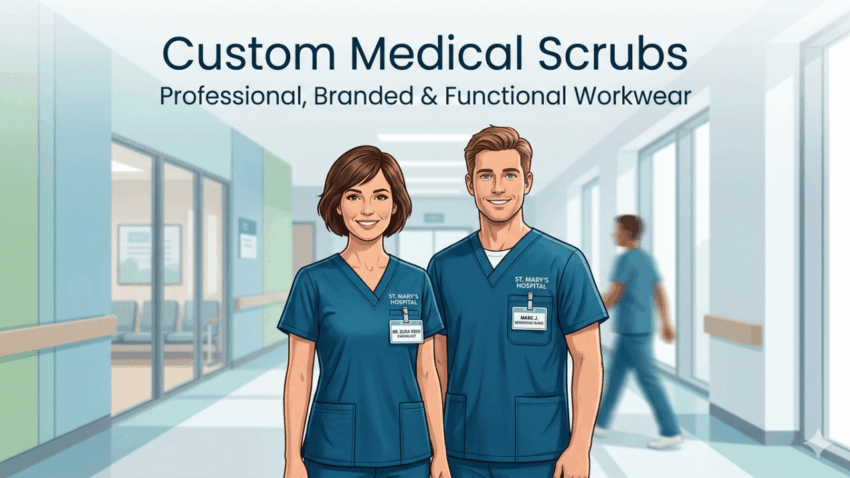
Medical uniforms serve a fundamental purpose in healthcare settings, providing sanitation, identification, and utility. Custom scrubs expand on these baseline functions by integrating specific branding, personalization, and functional modifications. By adding logos, names, and specific color schemes, healthcare facilities can standardize their appearance while allowing staff to maintain comfortable and appropriate attire.
If you are looking for more information about Custom Scrubs Manufacturer – LANO go here right away
This guide details the various aspects of custom medical scrubs. It covers the definition of customized workwear, the benefits of embroidery, logo integration, and the exact steps required to order personalized medical apparel for healthcare teams.
For more in-depth information you should view from Custom Scrubs Manufacturer – LANO
Understanding Custom Scrubs
Standard medical apparel provides basic coverage and utility. Custom scrubs modify these standard garments to meet the specific requirements of a clinic, hospital, or individual practitioner.
What are Custom Medical Scrubs?
Custom medical scrubs are standard healthcare uniforms that have been modified with specific text, images, or structural changes. These modifications often include embroidered names, hospital logos, specific department patches, and specialized color-coding. Healthcare facilities use these customized garments to create a unified appearance among staff members. Customization transforms a generic uniform into a specific piece of specialized workwear that identifies the wearer’s role, qualifications, and employer.
Benefits of Customized Scrubs
Customizing medical uniforms provides several operational advantages for healthcare facilities. First, it improves security by clearly identifying authorized personnel. Patients and staff can quickly recognize a healthcare worker’s name and department. Second, it establishes a professional aesthetic. A standardized uniform with a clear facility logo projects competence and organization. Third, customization can improve patient communication. When a practitioner’s name and title are clearly visible on their uniform, patients can address them correctly, reducing confusion during medical care.
Types of Customization Available
Healthcare apparel can be modified through several different methods. The most common customization techniques include:
- Direct Embroidery: Stitching thread directly into the fabric to create text or logos.
- Heat Transfer: Applying a printed design to the fabric using high heat and pressure.
- Screen Printing: Pushing ink through a mesh stencil onto the fabric.
- Patch Application: Sewing a pre-embroidered patch onto the garment.
Embroidery remains the most durable and professional option for medical environments, as it withstands high-temperature washing and frequent wear.
Embroidered Scrubs: Style and Functionality
Embroidery involves sewing a design directly into the garment using specialized machinery. This method is highly favored in the medical industry due to its longevity and premium appearance.
Choosing the Right Embroidery Design
Selecting an embroidery design requires careful consideration of legibility and professionalism. Text should utilize clear, block fonts rather than intricate cursive scripts, ensuring that patients can read names and titles from a distance. The design scale must fit appropriately on the garment without causing the fabric to pucker. Thread colors should contrast clearly against the color of the scrubs. For example, white or yellow thread provides excellent visibility on navy blue or black scrubs.
Placement Options for Embroidery
Proper placement of embroidery ensures that the information is easily visible without interfering with the garment’s functionality. Standard placement options include:
- Left Chest: The most common location for facility logos, staff names, and titles.
- Right Chest: Often used for secondary information, such as a specific department name, if the left chest is occupied by a logo.
- Sleeves: Used for secondary logos, certifications, or flag patches.
- Scrub Caps: Allows for visibility in sterile environments where the chest may be covered by surgical gowns.
Materials Suitable for Embroidery
Not all scrub fabrics handle embroidery equally well. Polyester-cotton blends offer a stable base that prevents the design from warping. Modern performance fabrics, which often include high percentages of spandex or rayon, require specialized backing materials during the embroidery process to prevent the stitches from stretching the fabric. Heavyweight fabrics generally hold dense logo embroidery better than lightweight, breathable fabrics.
Creating Scrubs with Logo
Integrating a facility logo onto medical scrubs standardizes the workforce’s appearance and reinforces the organization’s brand identity.
Importance of Branding in Medical Uniforms
Branding within a healthcare facility serves a specific operational purpose. Consistent logos on uniforms help patients distinguish between staff members and visitors. It also visually separates different departments or partner organizations working within the same building. Consistent branding across all staff uniforms reinforces the facility’s reputation and creates a cohesive environment that signals high standards of care.
How to Add Your Logo
Adding a logo to medical apparel typically requires a digitization process. The facility must submit a high-resolution image file of their logo to the uniform supplier. The supplier uses specialized software to convert this image into a digital stitch file. This file tells the embroidery machine exactly where to place each needle strike. Once digitized, the supplier runs a sample stitch-out on a scrap piece of fabric to verify color accuracy and design clarity before applying it to the final garments.
Design Considerations for Logos on Scrubs
When preparing a logo for embroidery, specific design constraints apply. Highly detailed logos with tiny text or intricate color gradients do not translate well to thread. Facilities often need to simplify their logos for uniform application. Solid colors and bold lines yield the best results. Additionally, the size of the logo must be scaled appropriately; a standard chest logo typically measures between two and four inches in width.
Ordering Custom Medical Scrubs
Procuring customized medical apparel involves selecting a supplier, understanding order minimums, and managing the logistics of outfitting an entire team.
Where to Shop Custom Scrubs and Lab Coats
Healthcare administrators can source custom uniforms from various suppliers. Local uniform shops offer the advantage of in-person fittings and fabric tactile assessment. Online medical apparel retailers provide larger inventories, broader brand selections, and automated ordering portals. Many large-scale manufacturers offer direct business-to-business purchasing programs specifically designed for outfitting entire hospitals or clinic networks.
Minimum Order Requirements
Suppliers often impose minimum order quantities (MOQs) for customized apparel. Digitizing a logo and setting up embroidery machinery require upfront labor. To offset these setup costs, vendors may require a minimum purchase of 10 to 24 items per order. However, some online retailers have developed highly automated systems that allow for single-item custom orders, though these often come with higher per-unit customization fees.
Ordering Process for Custom Medical Uniforms
The typical ordering sequence involves several distinct phases:
- Garment Selection: Choosing the brand, style, color, and sizes of the blank scrubs.
- Artwork Submission: Providing the logo files and specific text requirements (names, titles).
- Digitization and Proofing: The vendor converts the artwork and provides a digital or physical proof for approval.
- Production: The garments are embroidered or printed according to the approved proof.
- Quality Assurance and Shipping: The vendor inspects the finished items and delivers them to the facility.
Personalizing Your Workwear
Beyond facility-mandated logos, individual healthcare workers often require specific personalization to adapt their uniforms to their daily tasks.
Options for Customizing Scrub Tops
Scrub tops can be modified to improve daily utility. Customization options extend beyond text to include structural changes. Staff can request the addition of specialized pockets for medical instruments, badge loops for ID cards, or specific hem lengths. Maternity modifications are also available from many manufacturers, adding flexible side panels to standard scrub top designs.
Choosing Colors and Styles
Color selection is a primary component of uniform customization. Many hospitals utilize color-coding systems to instantly identify staff roles. For example, registered nurses might wear royal blue, while respiratory therapists wear hunter green. When selecting styles, administrators must choose between V-neck, mock wrap, or snap-front tops, weighing the professional appearance against the mobility requirements of the staff.
Customizing Nursing Uniforms for Comfort and Fit
Comfort directly impacts a healthcare worker’s performance during long shifts. Customizing the fit involves selecting between standard, petite, and tall inseams for scrub pants. Healthcare professionals can also select specific fabric compositions. Those working in high-activity emergency departments may prefer moisture-wicking, four-way stretch materials, while those in cooler clinical environments might opt for heavier, more insulating cotton blends. Tailoring services can further refine the fit, ensuring the uniform allows for a full range of motion without excess fabric catching on medical equipment.
Elevating Healthcare Apparel Administration
Customizing medical scrubs requires careful planning, from selecting durable fabrics to ensuring accurate logo digitization. By understanding the available customization methods, specific design constraints, and the standard ordering processes, healthcare facilities can efficiently equip their staff. High-quality embroidered scrubs maintain a professional standard, facilitate clear identification, and provide the functional utility required in demanding clinical environments. Healthcare administrators should evaluate their current uniform protocols and consult with specialized apparel vendors to determine the most effective customization strategies for their workforce.
