

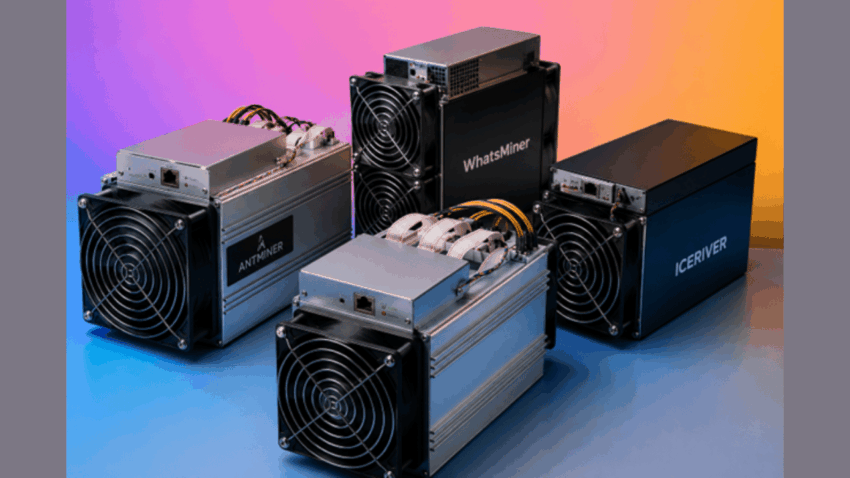
Why Comparing Bitcoin Mining Hardware Matters
Buying Bitcoin mining hardware is not only about choosing the miner with the highest hashrate. That number matters, but it does not tell the full story. A machine can look strong on paper and still be hard to justify if it uses too much power, requires heavy cooling, or takes too long to recoup the purchase cost.
The better way is to compare the full setup. Look at hashrate, power use, efficiency, electricity rate, cooling needs, noise level, warranty, and hardware price together. These points show how the miner may actually perform once it starts running every day.
This is where many new buyers make mistakes. They look at the biggest TH/s number and assume it is the best option. In real mining, the best machine is the one that fits your power cost, space, budget, and mining goal.
Start With Hashrate, But Do Not Stop There
Hashrate shows how much mining power a machine has. For Bitcoin hardware, it is usually measured in TH/s, or terahashes per second. A higher hashrate means the miner can perform more calculations every second.
That sounds simple, but hashrate alone is not enough. Two miners can have similar hashrate, but very different power use. One may produce strong output while using less electricity, while the other may reduce your margin through a higher power bill.
A good Bitcoin miner should be judged by how its hashrate compares to power consumption, efficiency, machine price, and your local electricity rate.
So before choosing a miner, do not ask only, “How much hashrate does it have?” Also ask, “How much does it cost to run every day?”
Power Use Can Change the Final Result
Power use is one of the biggest numbers to check before buying any mining machine. Most Bitcoin miners run continuously, so even a small difference in electricity rate can change the monthly result.
For example, a miner using 3,500W will cost much more to run than a miner using 1,700W. The higher-power miner may also produce more hashrate, but the real question is whether that extra output is worth the extra cost.
This is why your electricity rate matters so much. The same hardware can look good for one buyer and less practical for another only because their power cost is different.
Before buying, calculate the daily and monthly electricity cost. It gives a clearer idea of what is left after the power bill.
Efficiency Shows the Real Strength of the Miner
Efficiency is usually shown as J/TH, or joules per terahash. Lower J/TH means the miner uses less energy for the hashrate it produces.
This number becomes important when mining margins get tighter. A machine with better efficiency can stay more useful when difficulty rises, BTC price slows down, or electricity cost becomes harder to manage.
A high-hashrate machine with weak efficiency may still bring in revenue, but more of that revenue can go toward electricity. A balanced miner gives better control over running cost.
For a Crypto miner buyer, efficiency is one of the cleanest ways to compare whether a machine is practical for long-term use or only attractive because of its hashrate number.
Cooling and Noise Should Not Be Ignored
Mining hardware creates heat. Many machines also produce a lot of noise. These two points are easy to ignore before buying, but they matter after the miner is installed.
If you are planning a home or small setup, check the noise rating first. Some miners are too loud for a normal room and may need a garage, utility area, mining room, or hosted setup.
Cooling is just as important. The miner needs clean airflow. Hot air should move away from the machine instead of coming back toward the intake side. Poor airflow can lead to unstable hashrate, higher fan speed, and more maintenance issues.
Before buying, think about the real setup area. Where will the miner run? How will heat move out? Will the noise be manageable there? These questions can save trouble later.
Compare Price With Payback Time
The buying price should be compared with expected payback time. A miner may have strong specs, but if the price is too high, the ROI can stretch longer than expected.
Payback depends on machine price, daily net earning, electricity cost, BTC price, pool fees, and uptime. These numbers do not stay fixed, so the result can change after purchase.
That does not mean higher-priced miners are always wrong. A more efficient miner with strong performance and better long-term use can justify a higher price if the numbers work.
Before buying, it is worth checking Profitability with live mining data, because BTC price, network difficulty, electricity cost, and pool fees can quickly change the final estimate.
Watch the Market Before Buying
Bitcoin mining hardware is affected by the market around it. BTC price, mining difficulty, hashprice, hardware demand, and miner availability can all change the buying decision.
When BTC price rises, miner demand can also rise. That can push hardware prices higher and make payback longer. When mining difficulty rises, each miner may earn a smaller share unless it has enough hashrate and efficiency to stay competitive.
This is why Bitcoin Mining Market Signals are worth checking before buying hardware, especially when the market is moving fast.
You do not need to predict the market perfectly. You only need to understand whether the current numbers support your setup.
What Should You Compare Before Buying?
Use this simple checklist before choosing Bitcoin mining hardware:
- Hashrate and algorithm support
- Power use in watts
- Efficiency in J/TH
- Electricity cost in your area
- Hardware price and expected payback time
- Cooling and airflow needs
- Noise level
- Warranty and seller support
- Pool compatibility
- Setup space and maintenance needs
This keeps the decision practical. Instead of buying only because the miner looks powerful, you compare how it will actually run in your own setup.
Conclusion
Comparing Bitcoin mining hardware means looking beyond hashrate. Power use, efficiency, electricity cost, cooling, noise, price, warranty, and market timing all affect the final result. A miner should fit your setup, not just look strong on a product page.
Before buying, compare the full running cost and check whether the machine makes sense for your power rate and mining goal. For buyers who want to review Bitcoin mining hardware with clear product details and practical options, Crypto Miner Bros can be a useful place to explore before making the final decision.
